



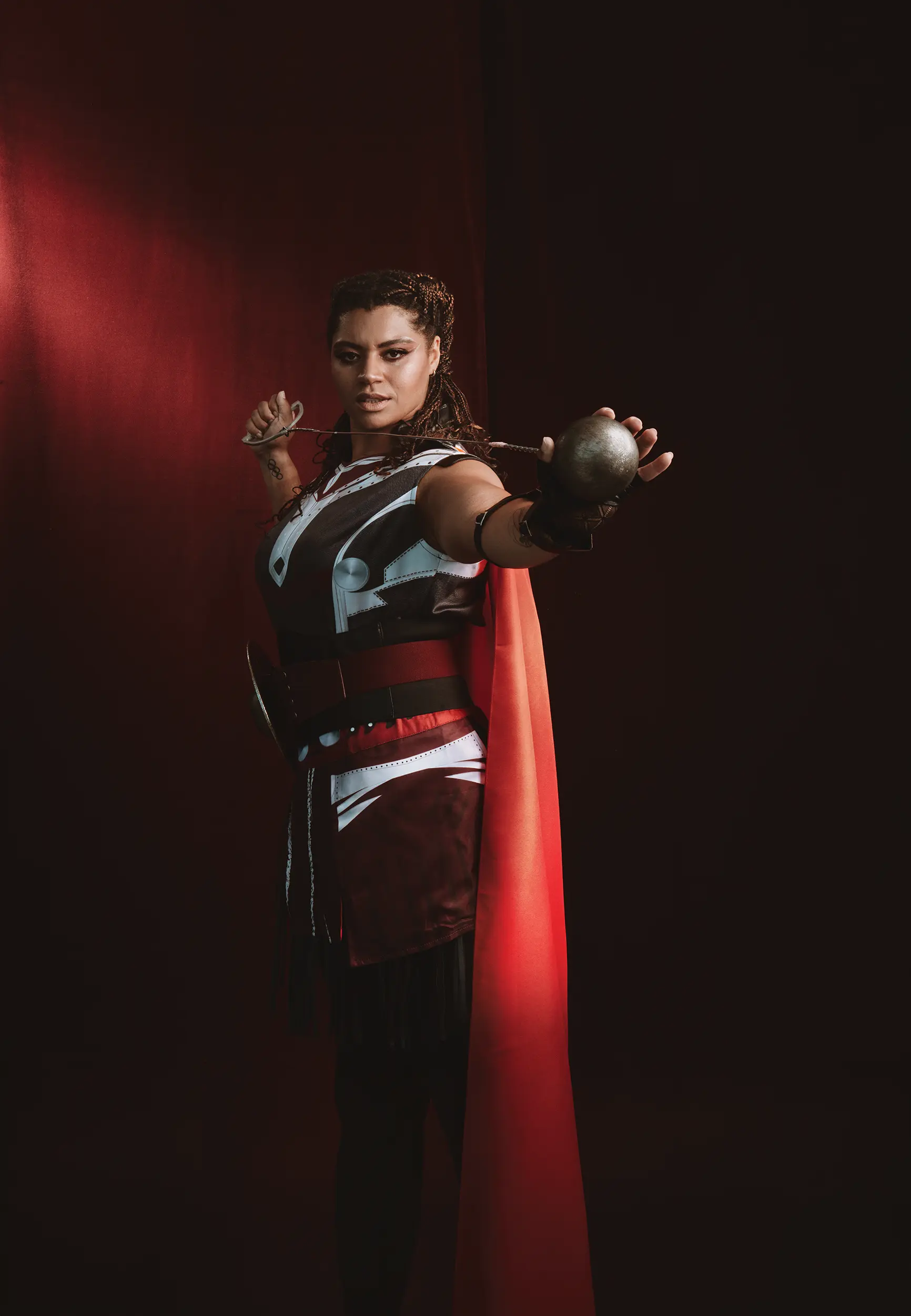
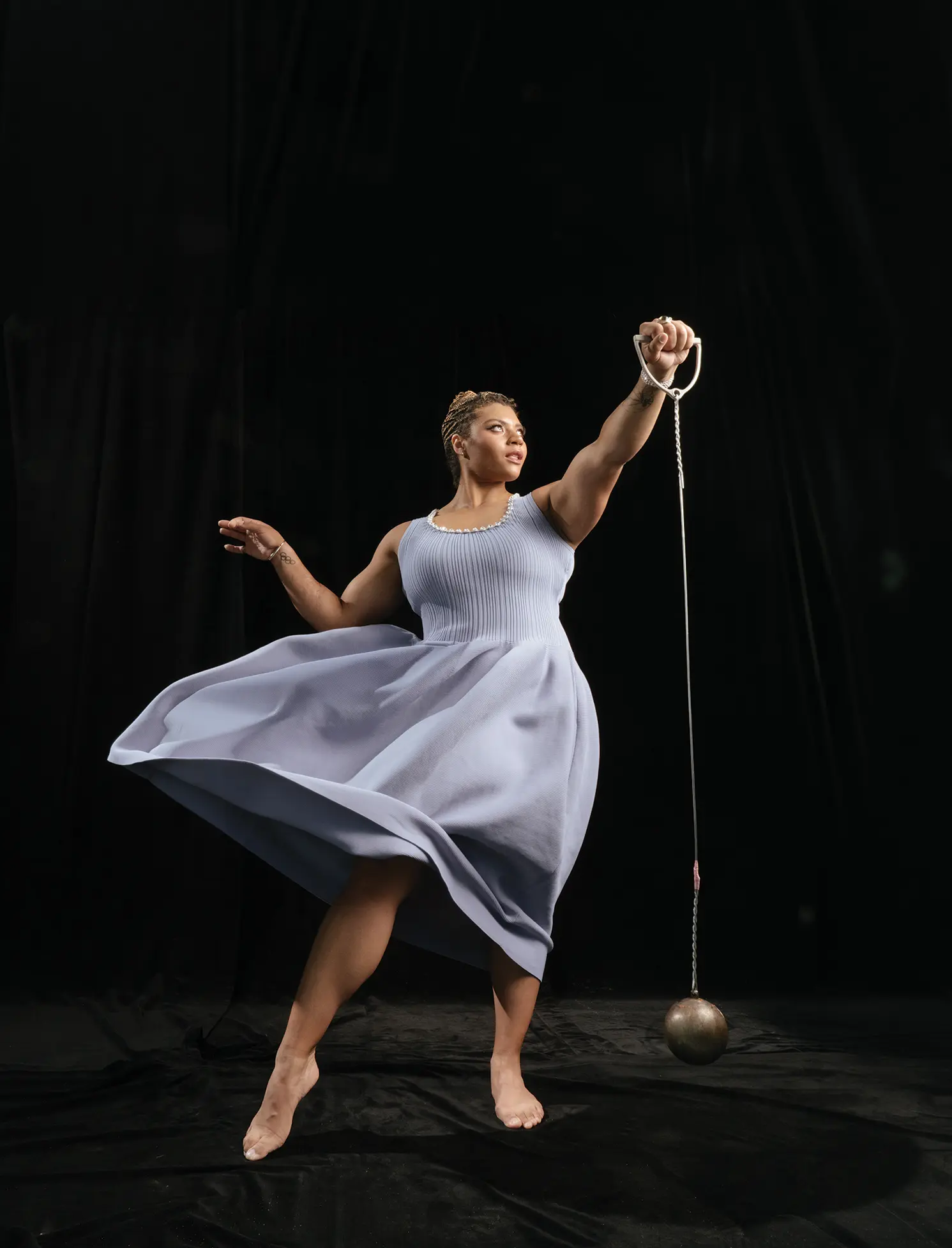
Rogers, who grew up in Richmond, B.C., would have pretty good reason to be all about her ego if she wanted to be. She's made Olympic history twice: first at Tokyo 2020, when she became the first-ever Canadian woman to advance to an Olympic hammer throw final and finished an impressive fifth; then at Paris 2024, when she became Canada's first woman Olympic medalist in the sport. She didn't just medal, though—she won the whole damn thing. It was the first time that Canada had won gold in any women's athletics event in nearly 100 years.
You train your whole life for nine-and-a-half seconds of your career
The decorated athlete reflects on her career thus far, where she wants to go from here and how she got into hammer throw in the first place.
With a big competition coming up, how do you not let the pressure of performance get to you?
I need to feel the stress and the pressure. I need to feel the anxiety of it all. Because for me, it basically tells me, "This is it. This is the moment, we gotta go, this is what we've been working for. This is the fun part. This is what we've been building up to."
That's a really interesting perspective. Especially in a sport like yours, where your actual performance time is so short.
The maximum amount of time you get to throw in the circle is a minute—and the actual throw itself lasts seconds. It happens so quickly that you actually don't have time to think. It's like when people look back on Usain Bolt's 100-metre world record: you train your whole life for nine-and-a-half seconds of your career. And it's very similar, in a way, to throw, and I think that that's what makes the moment so special when everything comes together and it clicks. You've worked so long and so hard to have that split second where everything is working, and you feel yourself do exactly what you've been hoping and training to do.
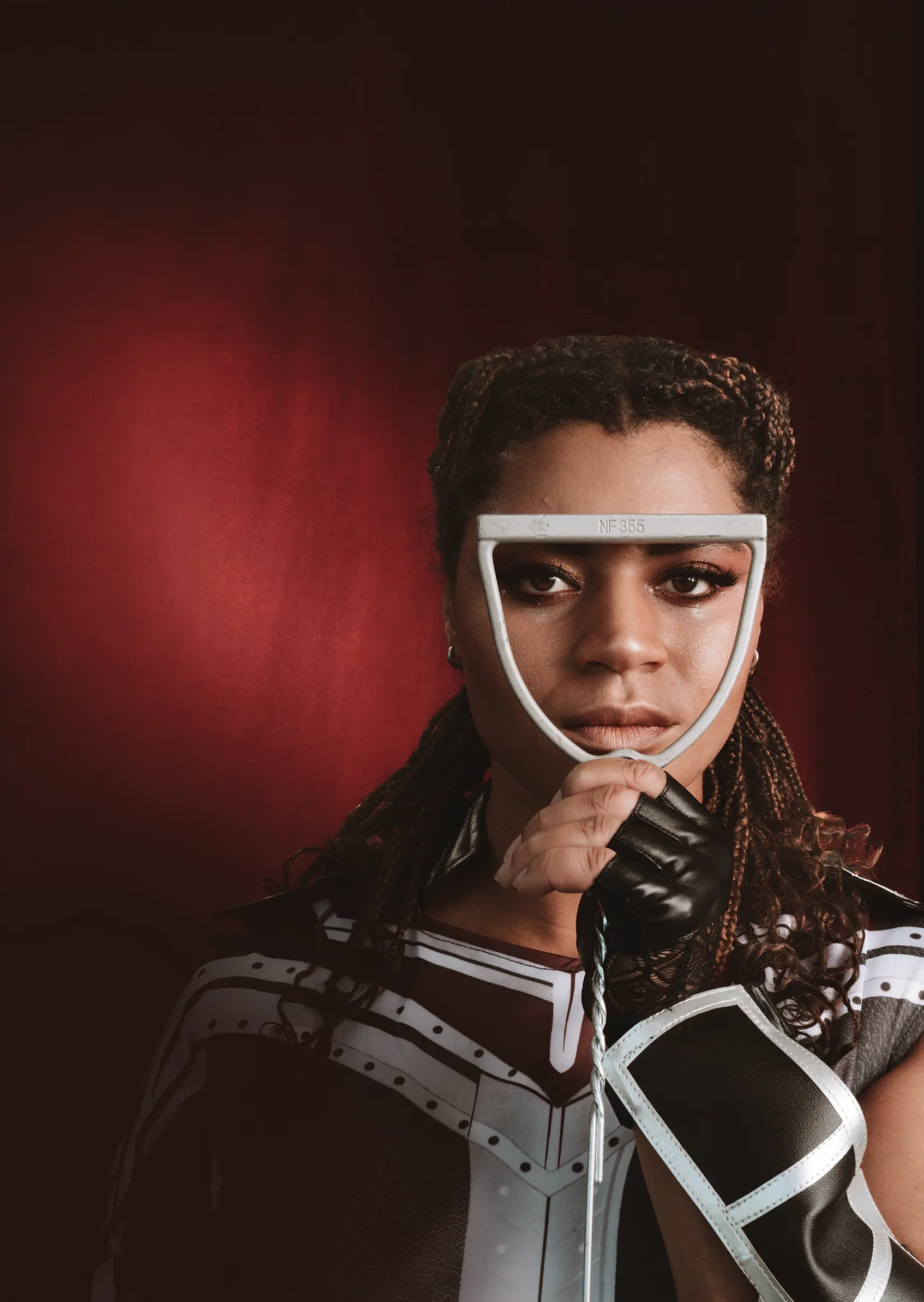
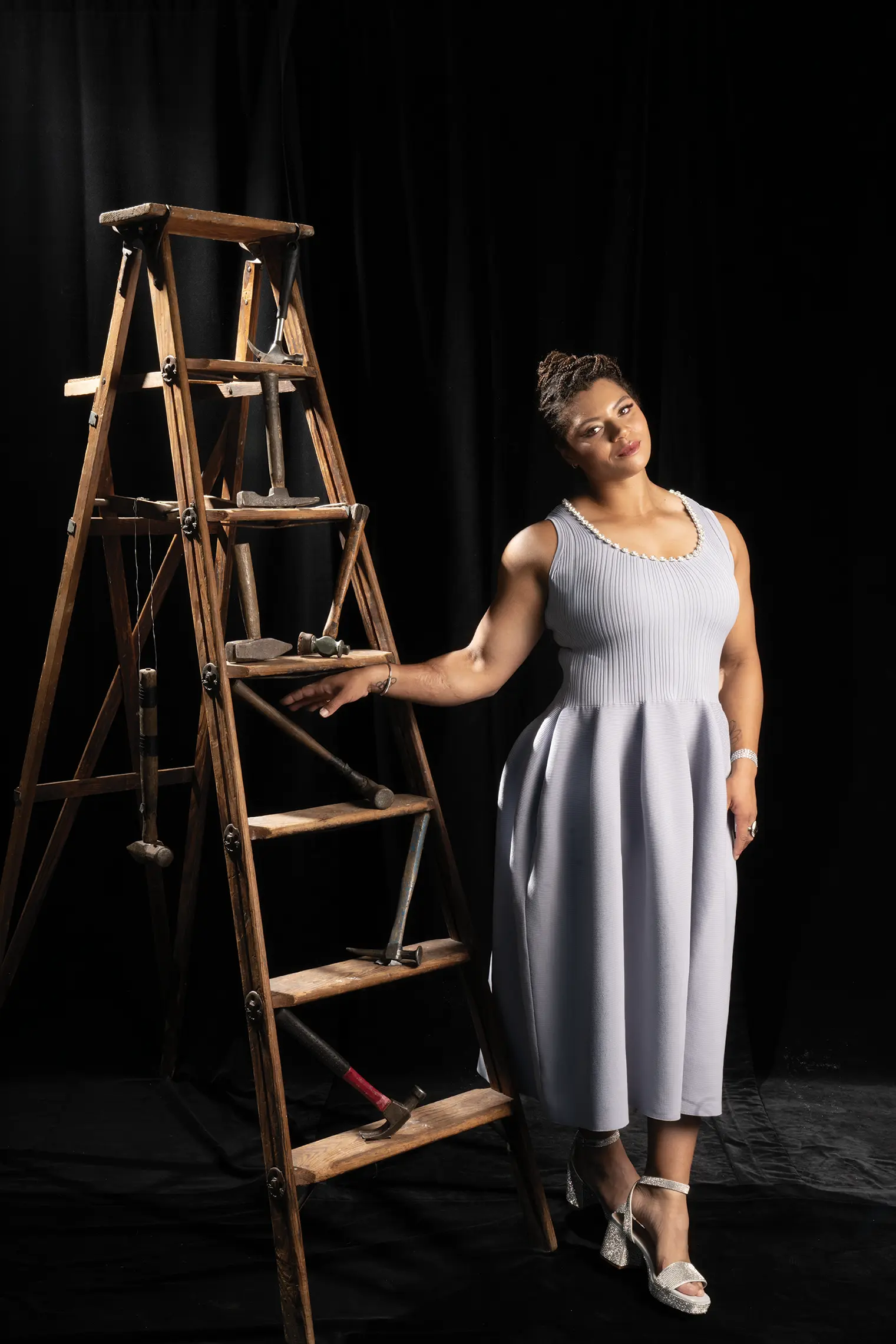
What does it feel like to have the moment come and go so fast?
Sometimes I know when I have a really good throw, and sometimes I don't. And it totally surprises me, which makes me laugh. My new personal best throw was from this year, but I didn't think it was going to be a personal best.
I've had other throws where the second I release the hammer, I know. I'm like, "Boom. That was it." And once the competition is over, especially when it's such a high-calibre event like worlds or the Olympics, you feel that emotional crescendo of everything happening all at once. Last year was the most emotional I've ever been, for good reason. After the competition at the Olympics, I took my last throw and just had a moment in the circle where I started to cry.
It's a totally surreal feeling. To have it be in Paris with 80,000 people in the stands—that's a feeling and a memory and a sound and an atmosphere that I'll never forget.
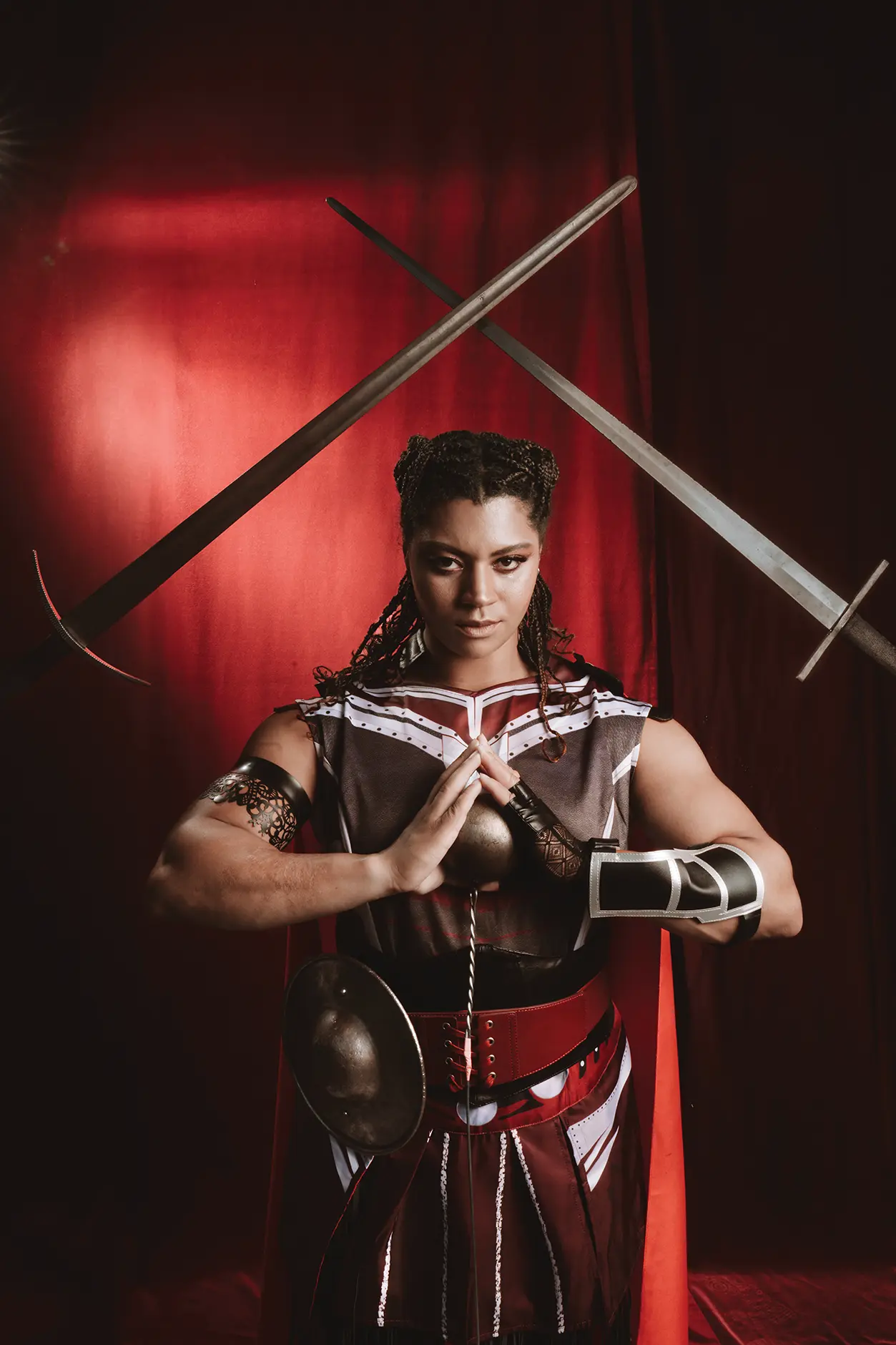
I've heard from other athletes that the Olympic comedown can be a challenge. How do you manage that?
I'm so glad that you asked that question because it's something that I think more people are starting to talk about, but it's still something that's not discussed a lot. Definitely after 2021 with my first Olympics, I felt it. And then last year, it took me months, mentally and emotionally, to recover from it.
I think it's about giving yourself time and allowing yourself to feel that comedown and feel like, "Okay, I'd spent my whole life building up to this moment." So, I think it was allowing myself to recognize, "This is very normal, this is why I have a sports psychologist, this is why I have so many friends and family that I surround myself with, and this is the time to reach out to them and really look for those shoulders to lean on."
What else do you want to achieve?
There's definitely a balance you have to find as an athlete of learning to be happy while still wanting to keep pushing yourself to that next level. But there are still distances I want to hit. I still feel like I have more to offer the sport and more to give of myself to hammer and to our community, and I think that's how I know that I'm not fully done yet.
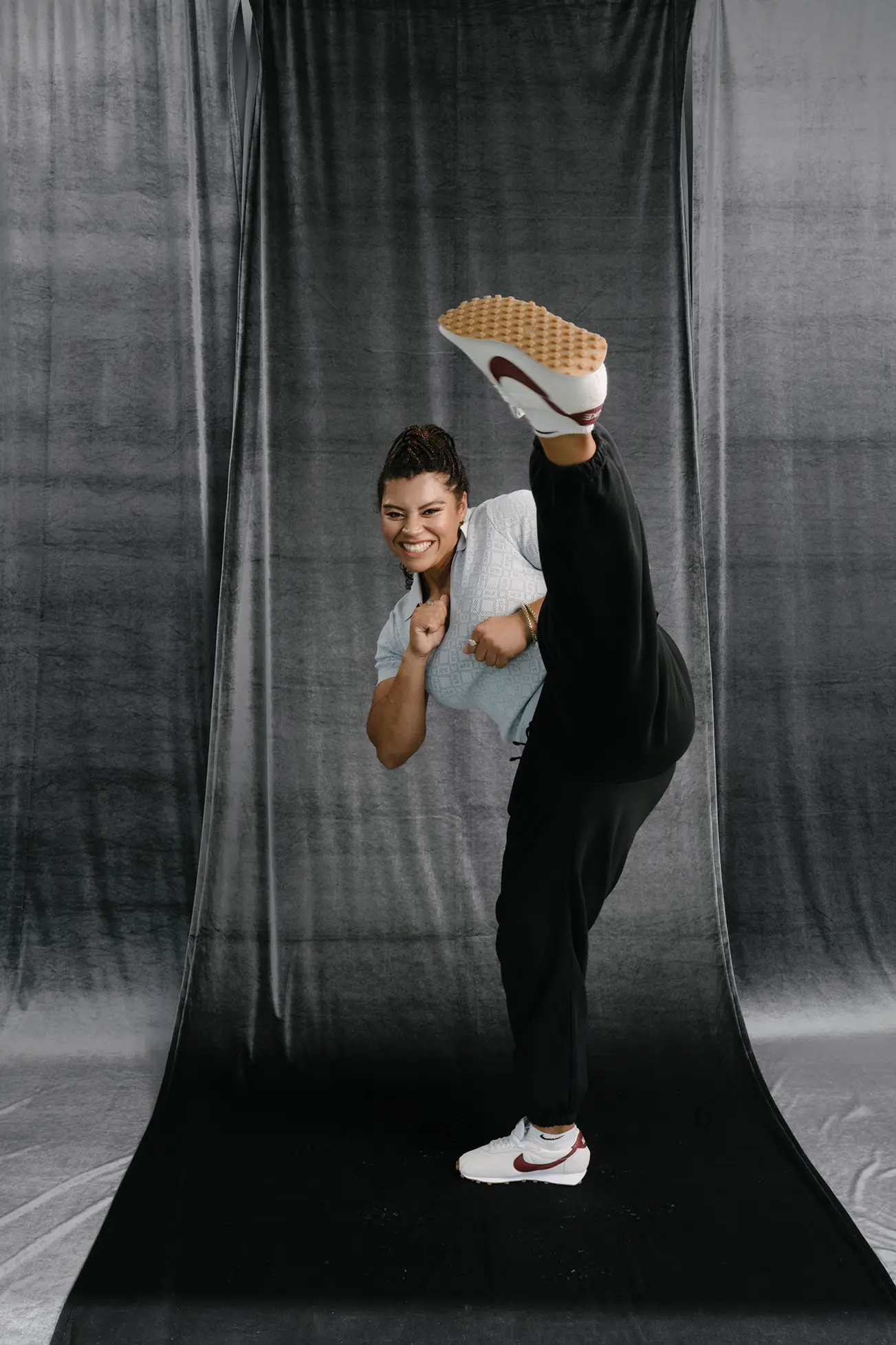
Even that first throw that went two metres—I remember how powerful I felt and how confident it made me feel. How strong I felt. I loved that feeling; I never wanted to let that feeling go.
Let's take it back to the beginning. How did you first discover hammer throw?
When I was 12, I ended up making a last-minute decision to go to our local track club. My mom, who's a hairdresser, had friends and clients who were part of the club, and they were telling me, "You should come out, meet some people and see if there's something you'd want to do."
The first person I ended up meeting that day would become my first throw coach. He saw my mom and me hovering around the equipment shed, and he was like, "Are you here to do track and field?" I was like, "I think so." He said, "Come watch us throw." I remember watching everyone and feeling like, for the first time, I'd really found a place where it looked like a community, it looked like a family, it looked so welcoming. And it was something I knew pretty quickly that I wanted to at least try and see how far I could get in it. He had me throw a hammer on that first day, and it was terrible—like two metres and it looked horrendous—but the coach looked at the throw and looked at me and was like, "I think we could work with that."
What made you fall in love with the sport?
Even that first throw that went two metres—I remember how powerful I felt and how confident it made me feel. How strong I felt. I loved that feeling; I never wanted to let that feeling go. From that moment, even when I was really young, I knew that this was something that was really special and unique, and something that I wouldn't necessarily find for myself in a lot of other activities. I love it and I have loved it, and I feel like I'm continuing to love it more and more.
This interview has been edited and condensed for clarity.
Styling Credits:
-
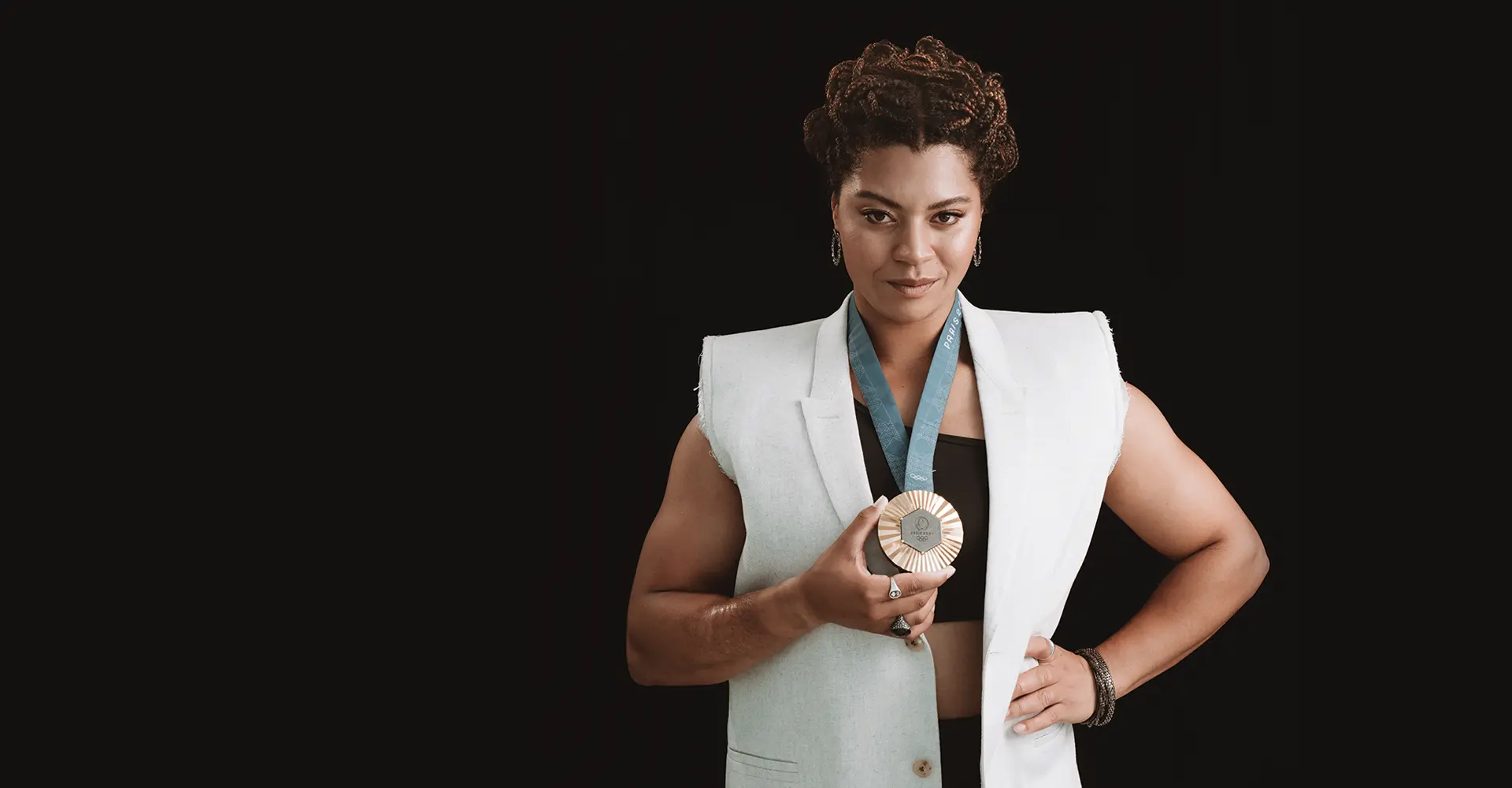
- Sleeveless vest: Rick Owens | @holtrenfrew
- Sports bra: Nike Pro | @nike
- Accessories: Stylist's own collection
-
- Outfit: Stylist's own collection
-
- Dress: SELF-PORTRAIT | @holtrenfrew
- Accessories: Stylist's own collection
-
- Outfit: Stylist's own collection
-
- Dress: SELF-PORTRAIT | @holtrenfrew
- Shoes: Steve Madden | @stevemadden
- Accessories: Stylist's own collection
-
- Outfit: Stylist's own collection
- Swords and Small Shield: Academie Duello | @devon.boorman
-
- Top: GIVENCHY | @holtrenfrew
- Bottoms, socks and shoes: Nike | @nike
- Accessories: Stylist's own collection
Photographer
Ellen Ho
@hongphotography
hong-creative.com
Hair & Makeup
Anita Lee
@anitaleehairmakeup
helmetsalon.com
Stylist
Donna Yasmeen
@stylebydona
Creative Director
Will Fong