

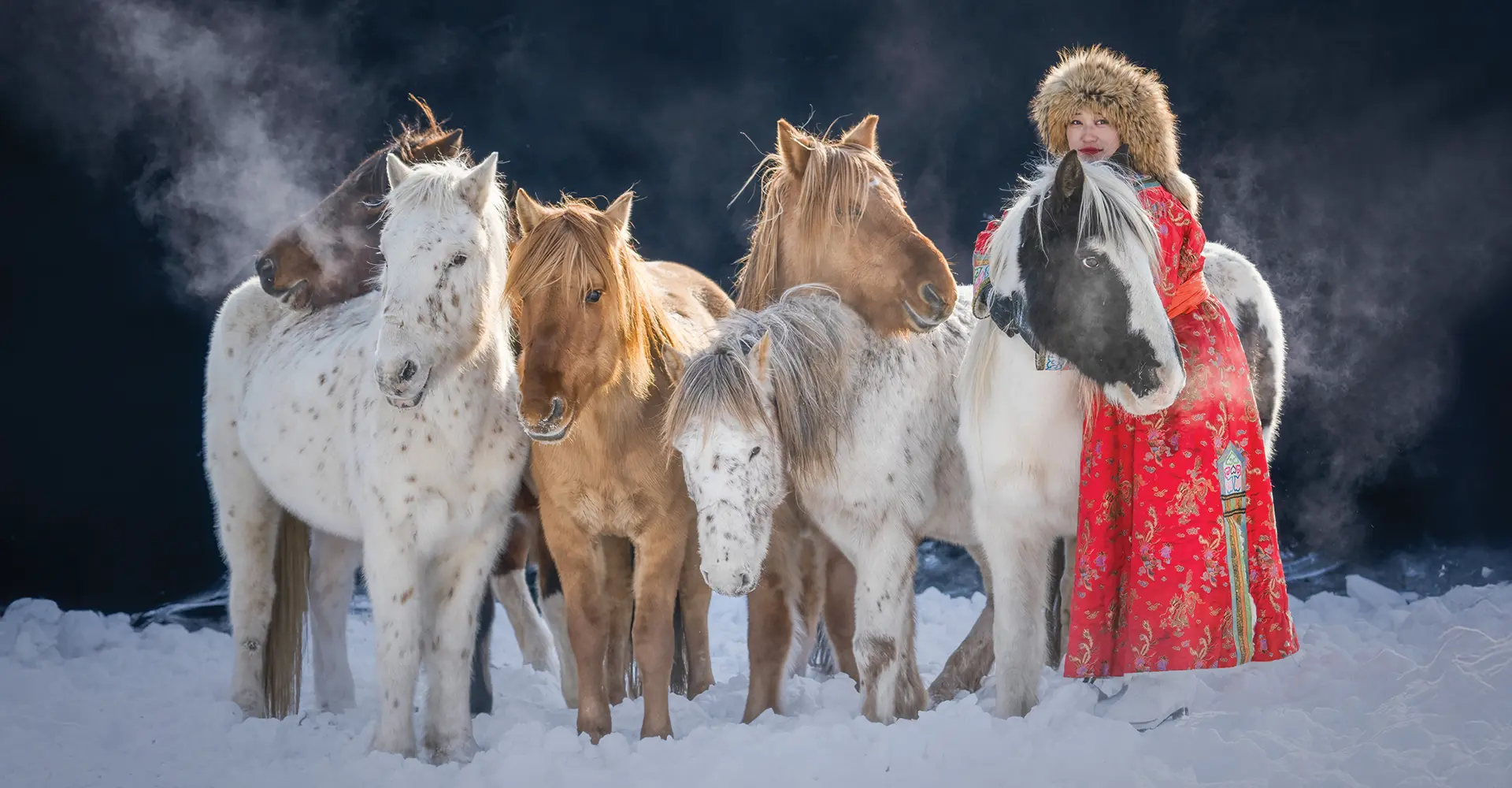

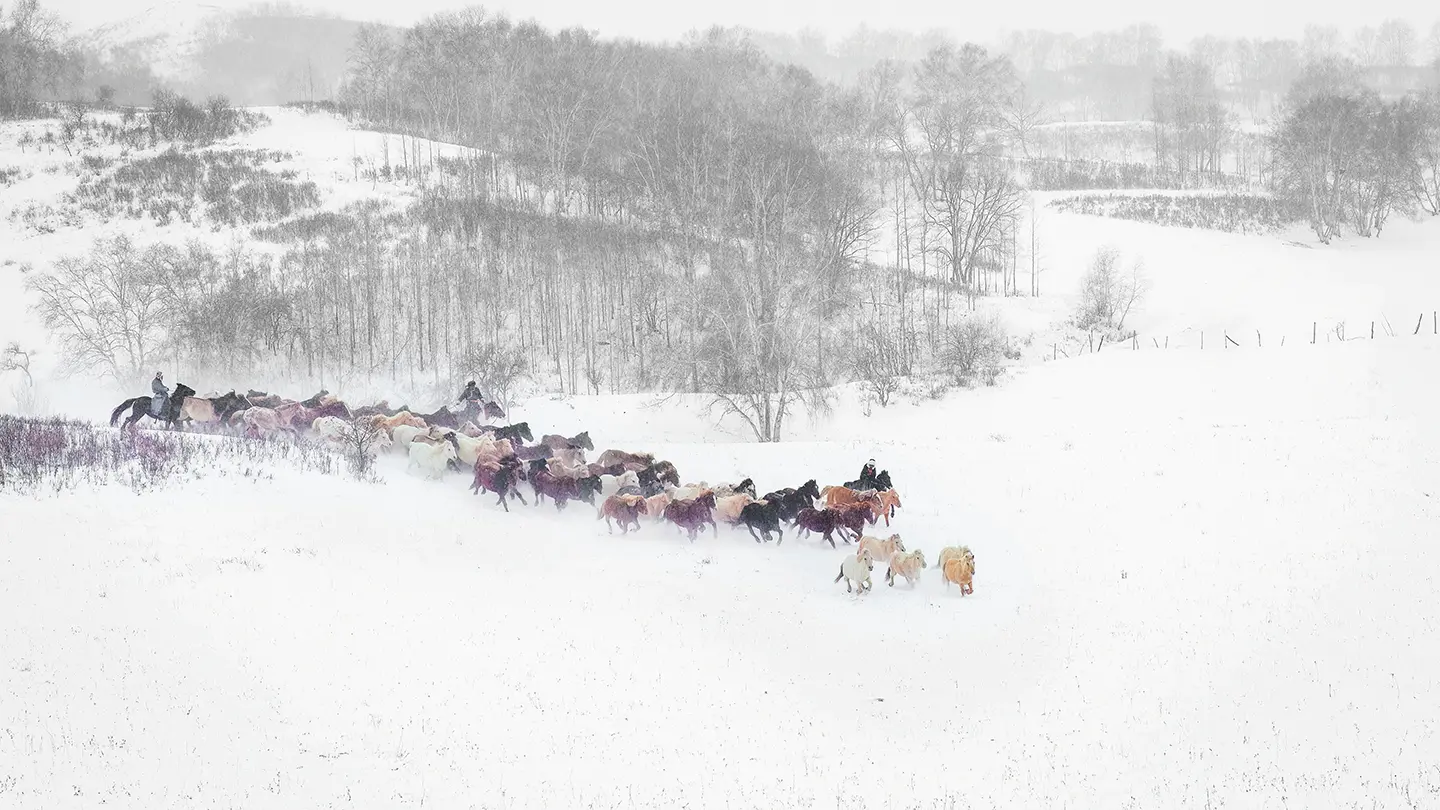
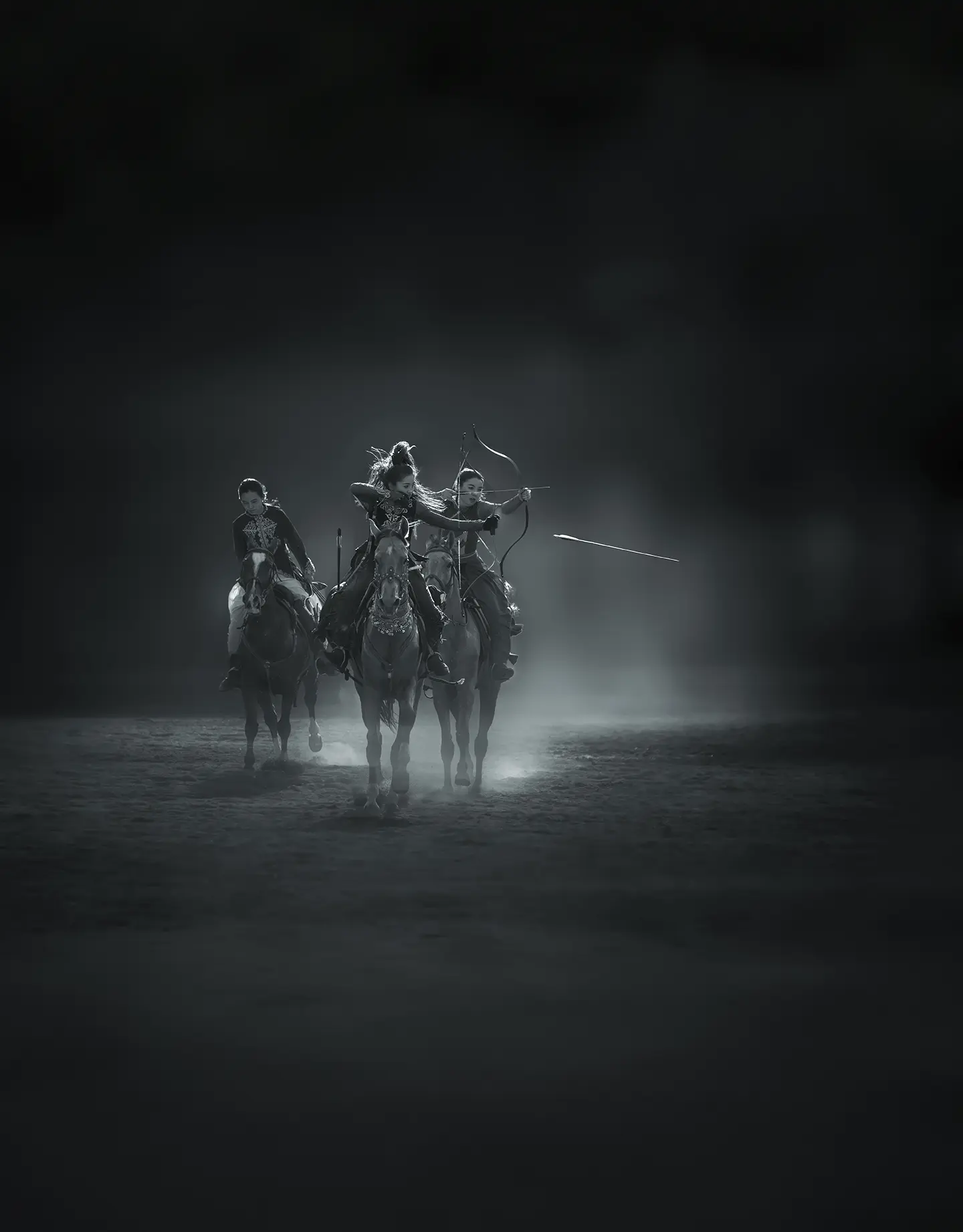
This bond is woven deeply into the Mongolidentity. From everyday tribal workers to spiritual companions and wararchers—whose horses galloped at their side—the Mongolian horse is more than ameans of transport; it is a symbol of life, spirit and resilience.
Mongolian children often climb onto theirfirst horse at just three or four years old, learning to ride as naturally asthey walk. The concept of khiimori, meaning "wind horse," capturesthe essence of Mongolian vitality—the life force and soul of a person.
In the 13th century, the Mongol cavalryearned the nickname "Devil's Horsemen" from their adversaries, atestament to their fearsome reputation on the battlefield. Under the leadershipof warlord Genghis Khan, the Mongol Empire reached its peak, stretching fromthe Sea of Japan (East Sea) to the Carpathian Mountains of Europe in the west—aspan unmatched in history.
Despite centuries of change, the Mongolian horse stillholds a sacred place in the hearts of Mongols today. Modern Mongols ride assemi-nomads across the vast expanses of independent Mongolia and China's InnerMongolia region, their spirit animals inspiring generations and continuing tofeature in Mongolian proverbs, songs and poetry.
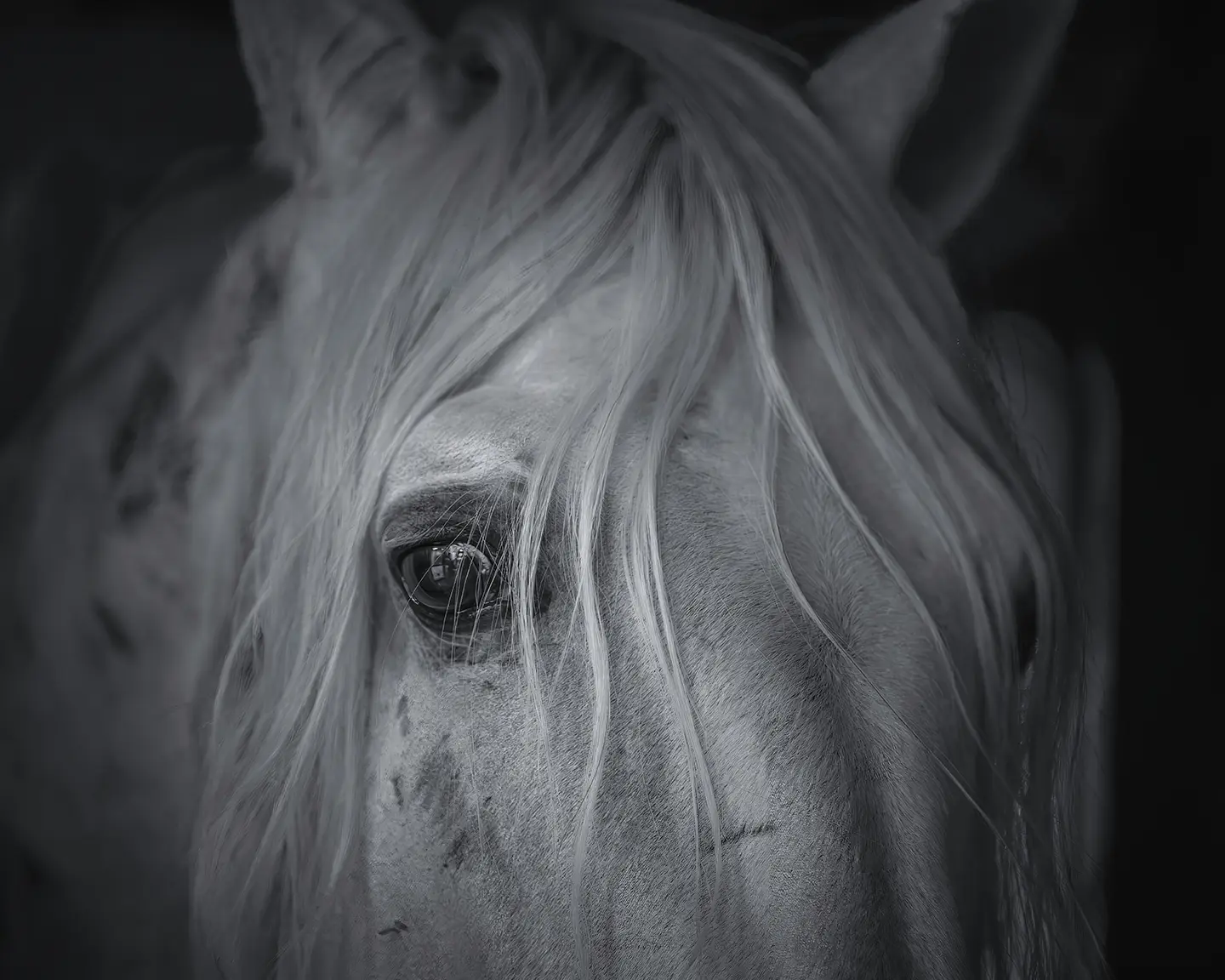
"Mongolian Horse"
By Dalantain Tarva Translated by SimonWickhamsmith
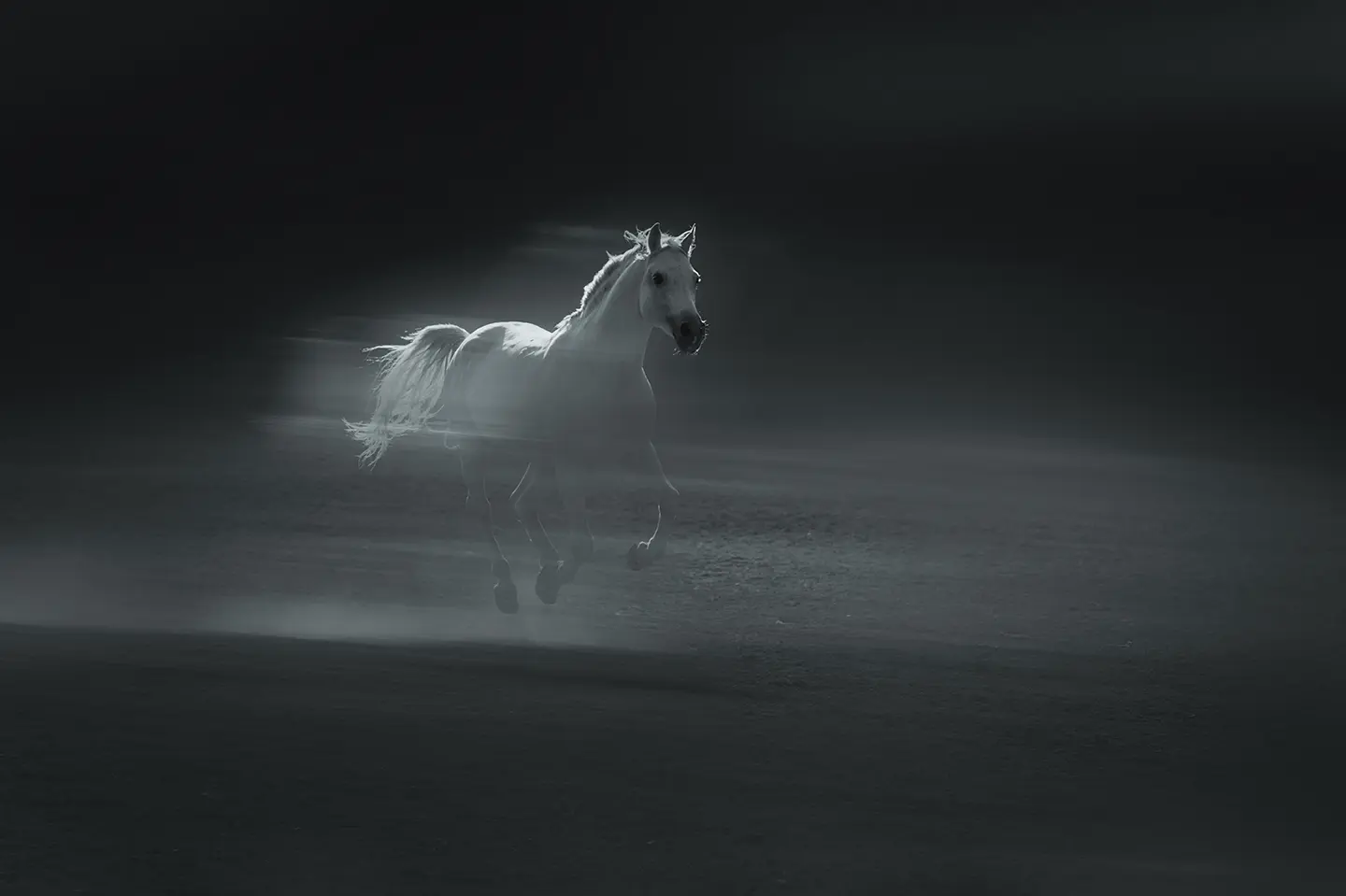
Untitled
By T. Ochirkhuu Translated by Simon Wickhamsmith


Mongol women are resplendent in vibrant, embroidered Deel garments and ornate hats as they gather to celebrate Tsagaan Sar, the Mongolian Lunar New Year.
The Urtiin Duu—known as the Long song—is acornerstone of Mongolian folk tradition, celebrated for its deep connection tothe nomadic way of life. The Long song began as ceremonial chants amongMongolian tribes, marking major life events such as weddings, the birth of achild and the branding of foals. Over centuries, these chants evolved intointricate songs layered with poetic lyrics, reflecting the values and landscapeof Mongolia. The Long song is often accompanied by the Morin Khuur—theMongolian horsehead fiddle—a two-stringed instrument that symbolizes thehorse's revered status in Mongolian society.
The invisible Han Shan Mountain is in my mind, And my loyal fine horses are galloping in my heart.
Excerpt from a traditional Long song"The Invisible Han Shan Mountain" for Mongolian herdsmen
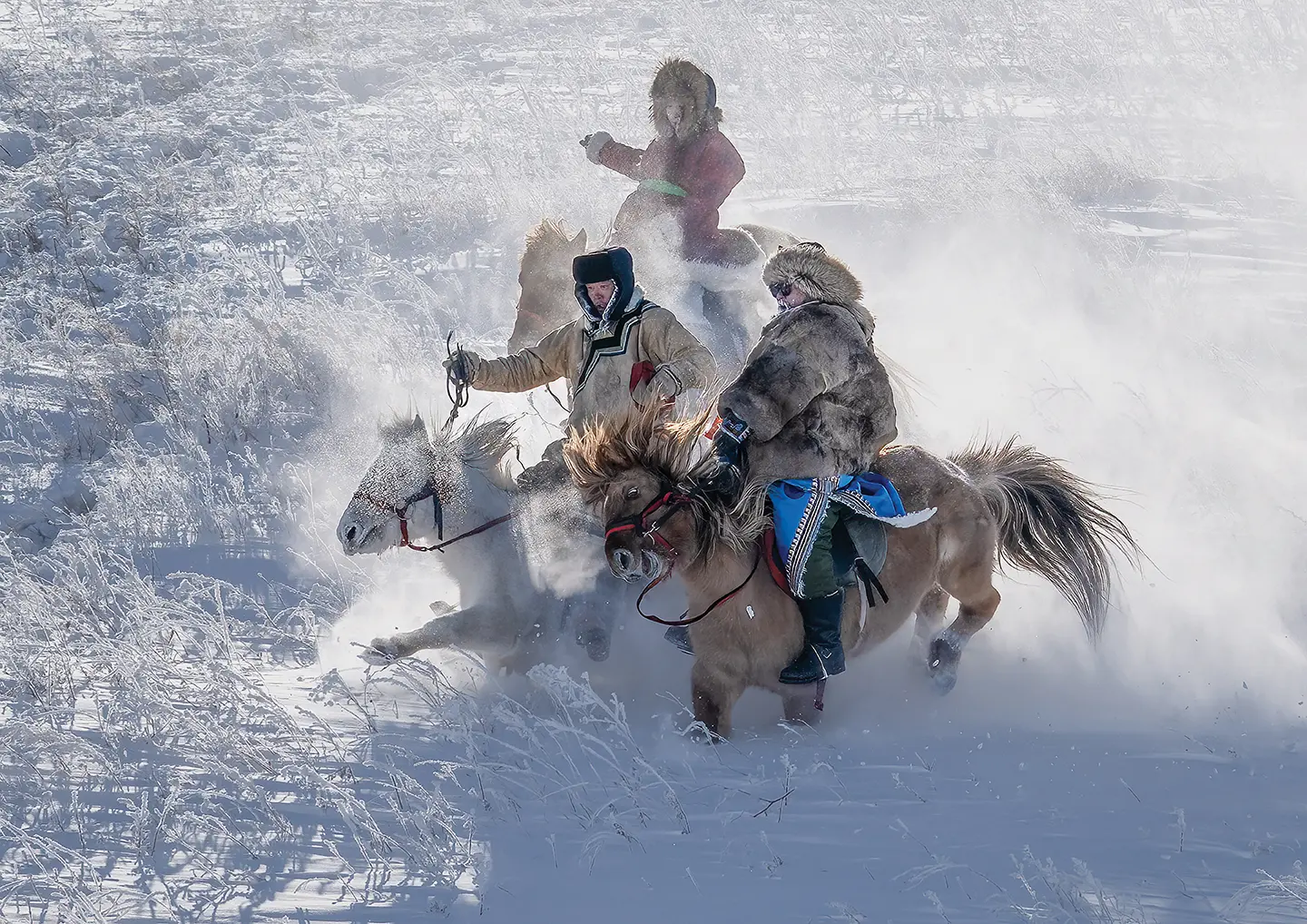
In Inner Mongolia's Xilingol League, two riders compete at full gallop for a prized hada silk scarf, a traditional ceremonial offering. To with stand the biting –30 degrees Celsius temperatures,the competitors warm themselves in between races with generous swigs of ShimiinArkhi, a local milk-based vodka.
"To appreciate the Mongol you must seehim on horseback, and indeed you rarely see him otherwise, for he does not putfoot to the ground if he can help it. The Mongol without his pony is only halfa Mongol, but with his pony, he is as good as two men."
—Elizabeth Kimball Kendall (1855–1952)