


Porsche Cayenne Electric
Here are the headlines: 1,139 horsepower and 1,106 pound-feet of torque with a 0-100 kilometre-per-hour time in the mid-2-second range. With numbers like that, you’d think we’re describing a new Porsche supercar.
Granted, those figures are for the red hot “Turbo” version. The standard Cayenne Electric will produce a more manageable 435 horsepower and 616 pound-feet with a brief Overboost function for extra shove in Launch Control mode. That’s more than enough to move this sizable SUV with authority, putting its straight-line performance in line with many “S” or performance trims in the gas lineup.
Underneath the Cayenne Electric sits a newly developed high-voltage battery pack of about 113 kilowatt-hour capacity. Using advanced pouch cells and a structural design, the battery pack is integrated into the body. Officially, Porsche is quoting a combined Worldwide Harmonised Light Vehicles Test Procedure (WLTP) range of up to 642 kilometres for the standard Cayenne Electric and up to 623 kilometres for the Turbo variant, depending on wheels and equipment. Real-world figures will be a little bit lower, but those numbers still suggest competitive long-legged capability for highway road trippers.
.jpg)
Inside, the Cayenne Electric follows Porsche’s latest design language. A wide, horizontal dash is dominated by curved and “bent” digital displays. It's a driver-centric layout that still leaves space for a large central touchscreen and an available passenger display. The battery’s structural integration and packaging allow for a flat floor and generous legroom, preserving the Cayenne’s role as a family hauler that can comfortably handle four adults and their gear.
Pricing reflects both the performance and the badge. In Canada, the Cayenne Electric will start at $131,300, with the Cayenne Turbo Electric coming in at $178,300. Order books are opening ahead of first deliveries, which are expected to begin in summer to late summer of 2026, making the Porsche Cayenne Electric one of the most anticipated new performance SUVs of the year.
Porsche Macan Electric GTS
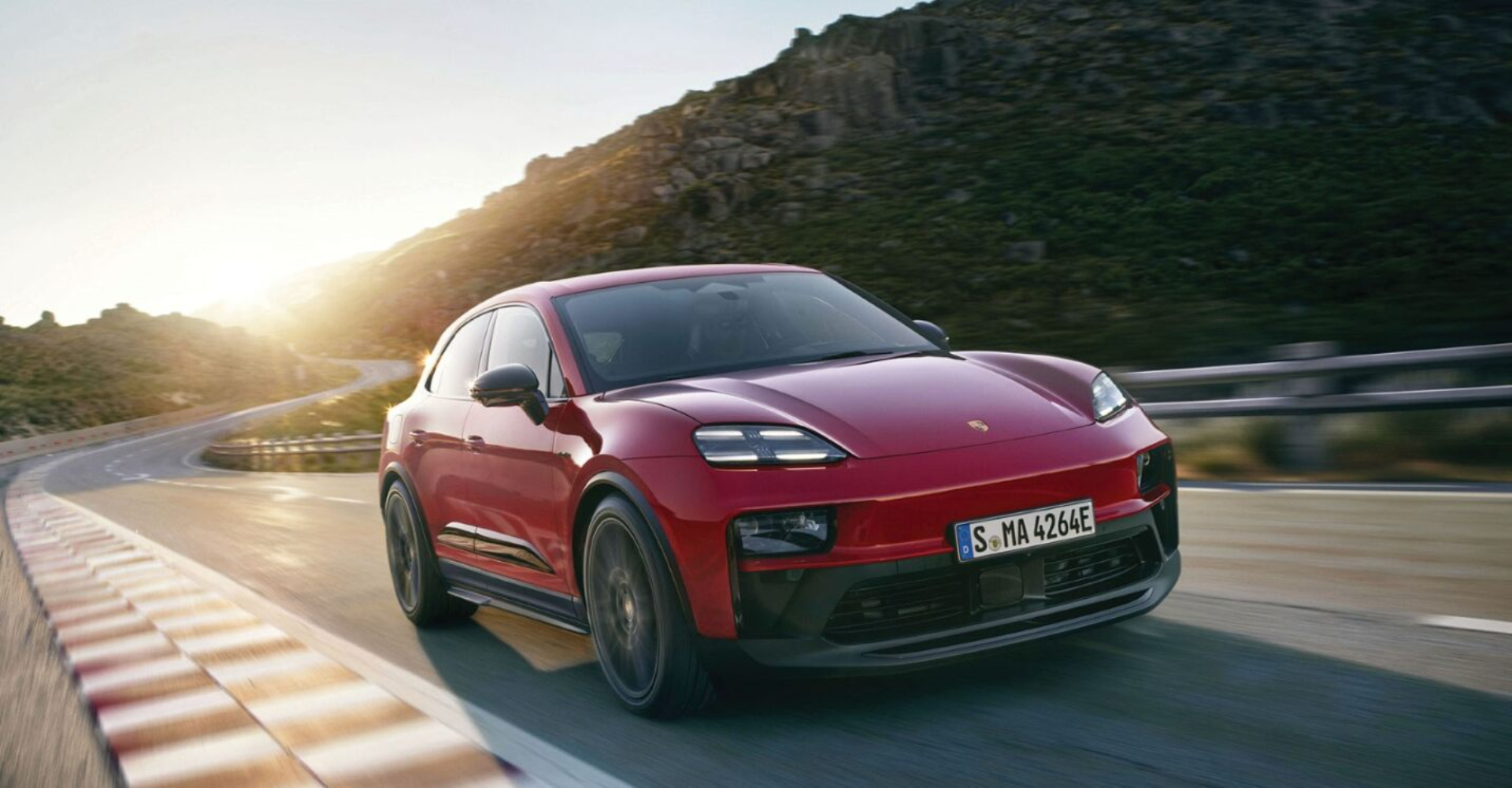
If the Cayenne is the sledgehammer, the 2026 Macan GTS Electric is the scalpel. Porsche calls it the "sweet spot" of the range. A dual-motor setup with Porsche’s most powerful rear-axle motor in the Macan range produces 509 horsepower in normal running and up to 563 horsepower in Overboost with Launch Control, alongside a monstrous 704 pound-feet of torque. Official figures peg 0-100 kilometres per hour in about 3.8 seconds with Launch Control and a top speed of 250 kilometres per hour.
Every Macan GTS Electric gets a 100-kilowatt-hour high-voltage battery, with a WLTP range quoted at up to 586 kilometres depending on specifications. Real-world numbers will drop in winter, but the 800-volt system keeps things civilized. Plug into a proper fast charger, and the Macan can take up to 270 kilowatts, going from about 10-80% in roughly 21 minutes. Porsche also allows the pack to split into two 400-volt halves for more compatibility with existing infrastructure, which is handy when you’re stuck using older DC chargers on a road trip.
.jpg)
Inside, the Macan GTS Electric gets all the modern toys: Porsche Digital Key where your phone becomes the fob; Enhanced Parking Assist for threading into tight downtown spots; and AI‑supported Voice Pilot for handling navigation and climate control without needing to take your hands off the steering wheel. An updated infotainment system brings expanded in-car gaming, which should keep passengers entertained while you top up at a charger.
Together, the Cayenne Electric and Macan GTS Electric mark the point where Porsche’s electric SUVs stop being experiments and start feeling like the main event. Only now, your favourite mountain road comes with silence and a plug.