


Spain’s Miguel de Cervantes gave life to Don Quixote in his 17th-century novel The Ingenious Gentleman Don Quixote of La Mancha. Four centuries later, his influence reached Guanajuato, Mexico. Guanajuato City celebrates El Cervantino, a global festival honouring Cervantes and Quixote, and holds the world’s largest Don Quixote art collection.
The town’s cobblestone streets reflect centuries of silver wealth, rebellion, and culture. Through its artists and writers, Guanajuato becomes a place where magic realism thrives.
_2.webp)
_2.webp)
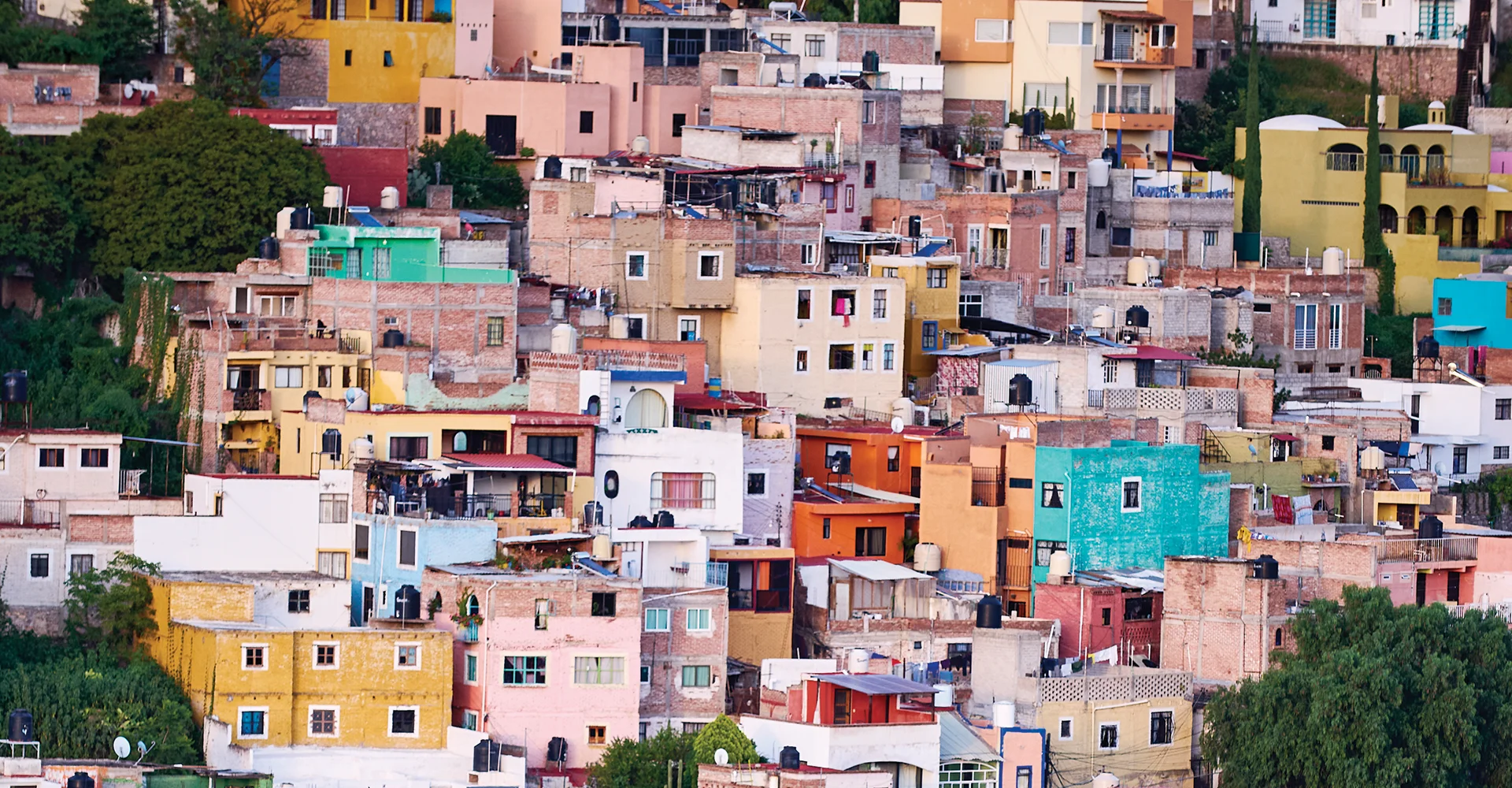
Juan Rulfo’s Pedro Páramo evokes a dreamlike town like Guanajuato itself—“the place where I grew thin from dreaming.” The city’s name, meaning “frog hill” in the Purépecha language, hints at its Indigenous roots. Its pastel houses climb the hillsides, and its alleys whisper stories of love, like El Callejón del Beso, where couples kiss across balconies for luck.
Carlos Fuentes wrote, “The Mexican revolution was a break with the past to recover the past.” Guanajuato embodies this mestizo spirit, blending Indigenous, Black, and Spanish influences. Octavio Paz’s poem Motion mirrors this balance of opposites, like the city’s steep stairways—rising and falling at once. From El Pípila’s monument to the Universidad de Guanajuato’s 133 steps, movement and struggle are woven into its soul.
_2.webp)
_1.webp)
_1.webp)
Sor Juana Inés de la Cruz, a 17th-century nun and feminist, defied convention, writing, “I was born with this inclination to study and with it I shall die.” Her courage parallels the defiant architecture of Guanajuato’s baroque churches like Templo de San Cayetano and Templo de la Compañía. Poet Homero Aridjis finds his own temple not in stone but in air—his verse echoing Guanajuato’s reverence for nature.
Silver once made Guanajuato the world’s richest city. Today, craftsmen like Vicente González continue its legacy at La Gremial Escuela de Joyería. Music, too, defines its spirit. José Alfredo Jiménez, the king of ranchera, sang, “With or without money, I always do what I want.” Mariachi fills the plazas, now recognised by UNESCO as an Intangible Cultural Heritage.
.webp)
_1.webp)
_1.webp)
The Diego Rivera House Museum honours the artist born here in 1886. Rivera’s turbulent love with Frida Kahlo—“The other accident is Diego,” she once said—embodies both the passion and pain of Mexican art.
Eulalio Ferrer Rodríguez, a Spanish exile, found solace in Don Quixote after the Civil War, trading cigarettes for a small copy of the novel in a French prison camp. Fleeing to Mexico, he built a collection of more than 1,000 Quixote-inspired works, now housed in Guanajuato’s Museo Iconográfico del Quijote. Its ceiling mural shows Don Quixote and Sancho Panza ascending toward the heavens—symbols of imagination’s triumph over hardship.