






In Canada, that year was 2000. It was a year when this country’s stars of the 1990s were at their peak or taking victory laps, but it was also when an exciting new wave of artists was getting ready to change international perceptions of Canadian music, both inside and outside the mainstream. Canada, which likes to see itself as an underdog, was punching far above its weight in musical exports.

First, the superstars.
Shania Twain was taking a breather after a two-year tour promoting Come on Over, an album that sold more than 40 million copies worldwide. In 1999, she was among the most played artists on U.S. radio, and had become one of the most successful female performers of all time.
Céline Dion sold 17 million copies of her 2000 greatest-hits album, All the Way: A Decade of Song.
Diana Krall won two Grammys in February 2000, including Best Jazz Vocal, for her album When I Look in Your Eyes, which was also nominated for Album of the Year — the first jazz record to appear in that category in 25 years.
Sarah McLachlan capped off her decade-long rise by performing “When She Loved Me” from Toy Story 2 at the Oscars, watched by 79 million viewers.
Barenaked Ladies’ 2000 album Maroon was the band’s second million-seller in the U.S., and their second No. 1 album in Canada.
By that point, though, all these artists were preparing to become the old guard. A new crop was on the rise.
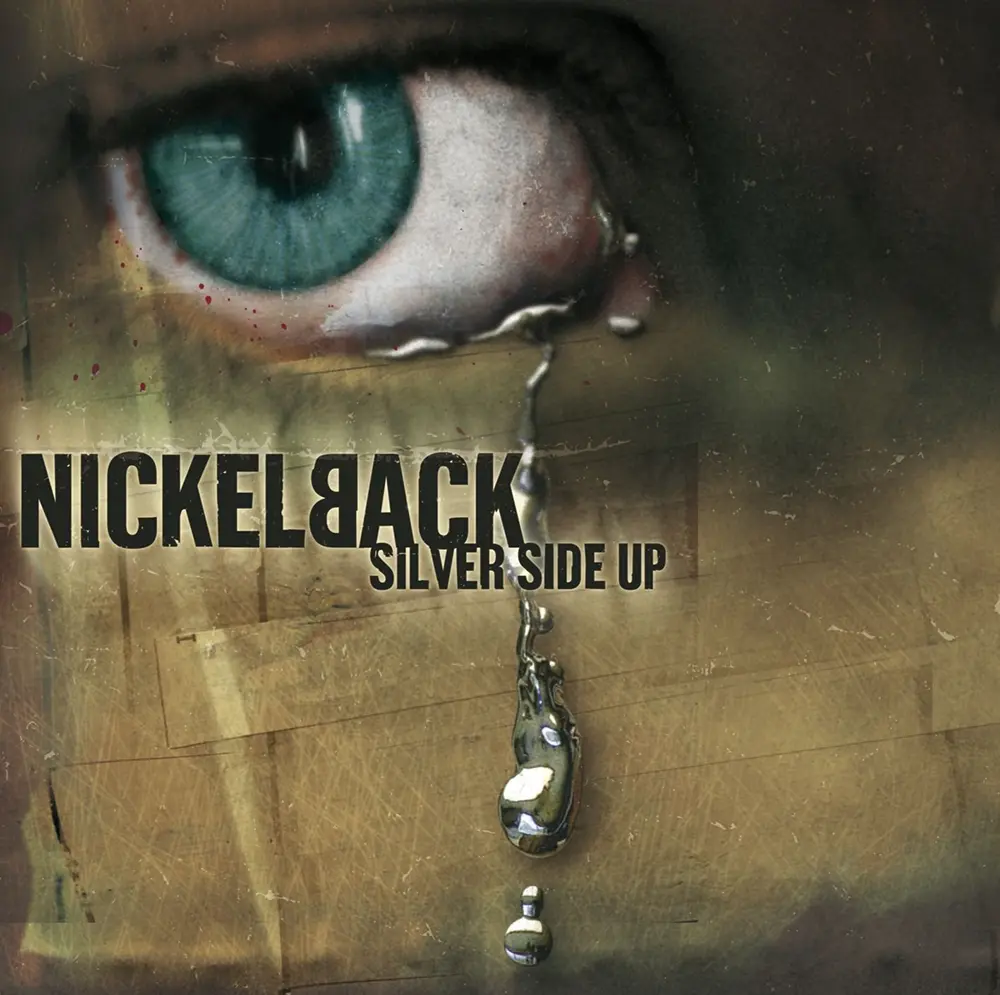
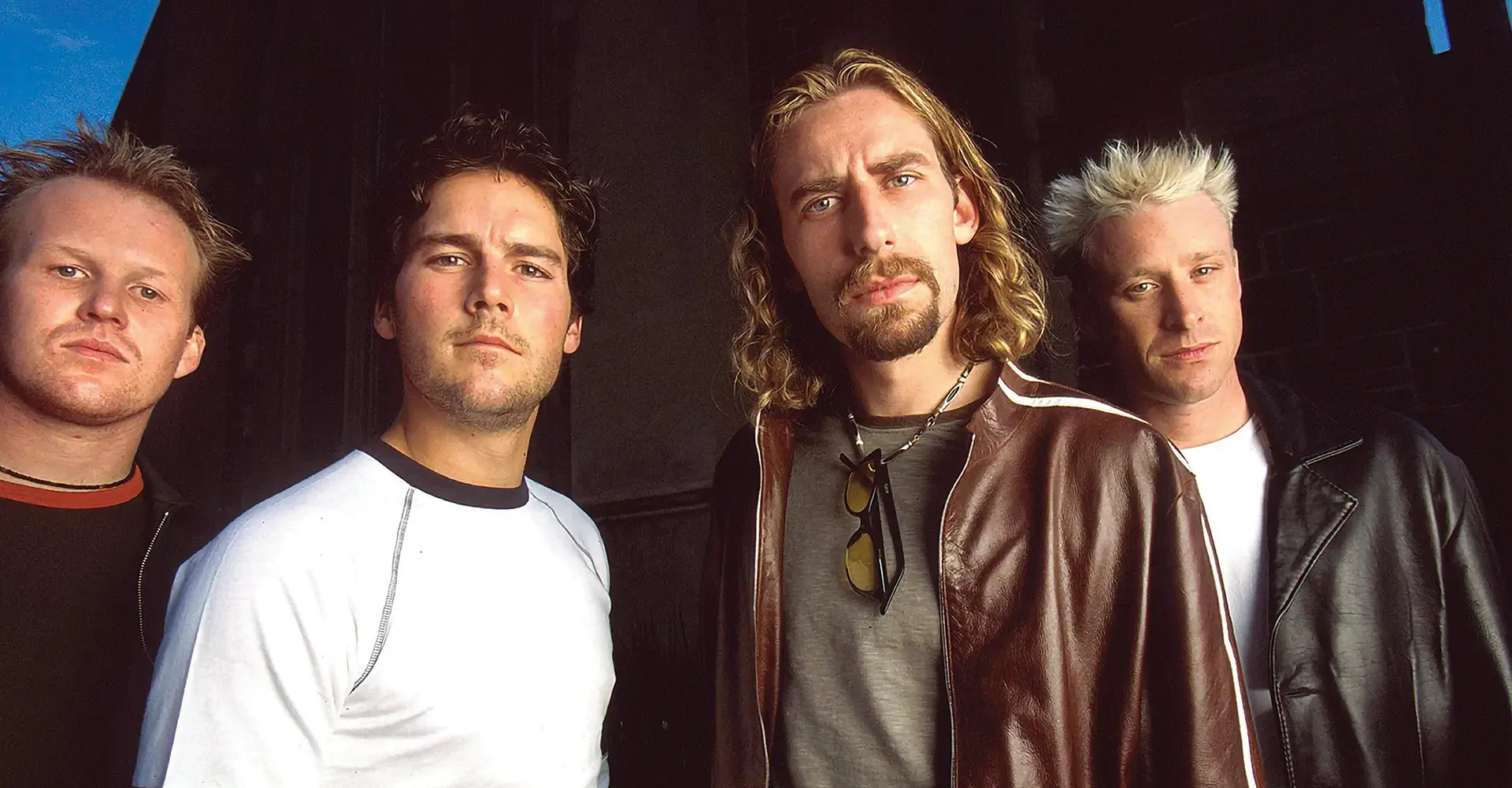
Nickelback’s second album, The State, became the band’s first to go gold in both Canada and the U.S. While that was happening, they were writing material for 2001’s Silver Side Up, which has now sold more than 10 million copies worldwide. At the end of that decade, Nickelback were named the top-selling group of the 2000s by Billboard, edging out Destiny’s Child.
In the underground, a whole other movement was resetting expectations of Canadian music.

Nelly Furtado released her debut album, Whoa, Nelly!, in October 2000. Fuelled by the lead single “I’m Like a Bird,” it sold six million copies in the U.S., where the 22-year-old was hailed as a wholesome pop alternative to Britney Spears.
That same year, Sarah Harmer was transitioning out of her ’90s rock band, Weeping Tile, into a mainstream folk-pop star with her solo debut You Were Here and its single “Basement Apt.”
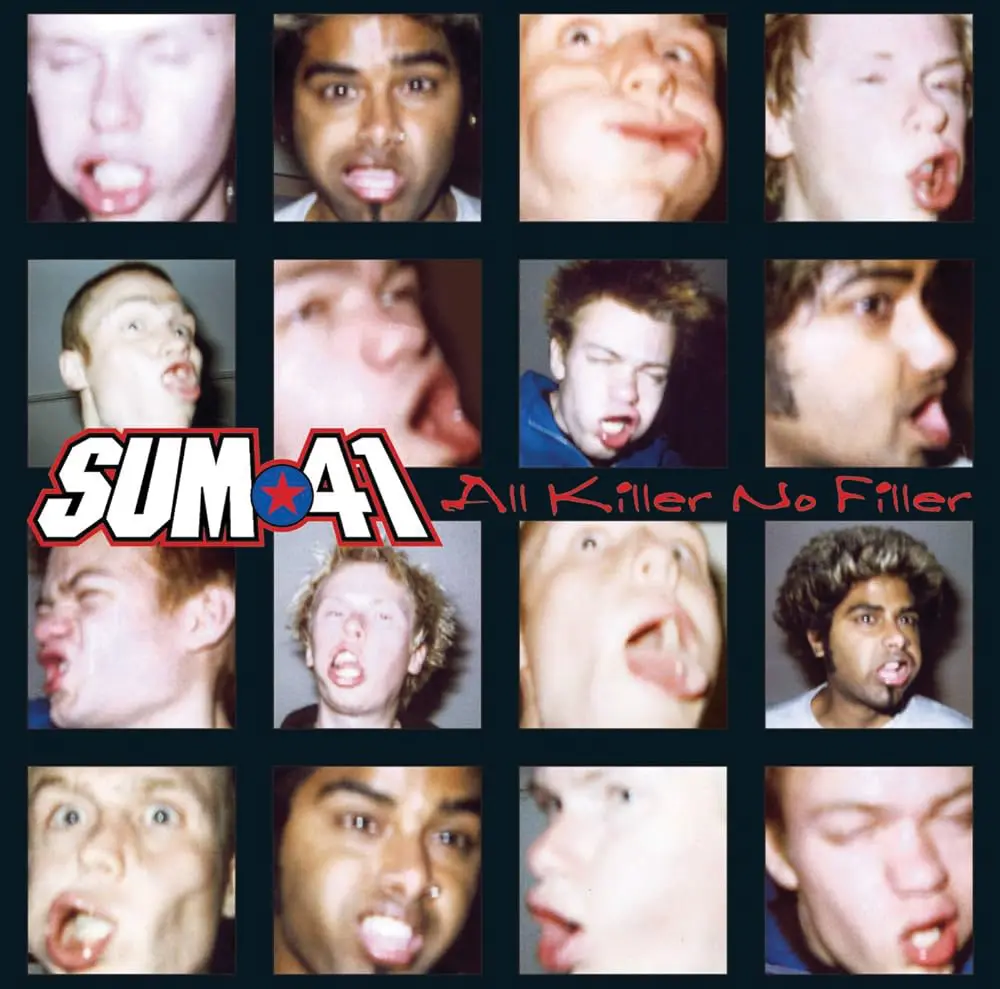
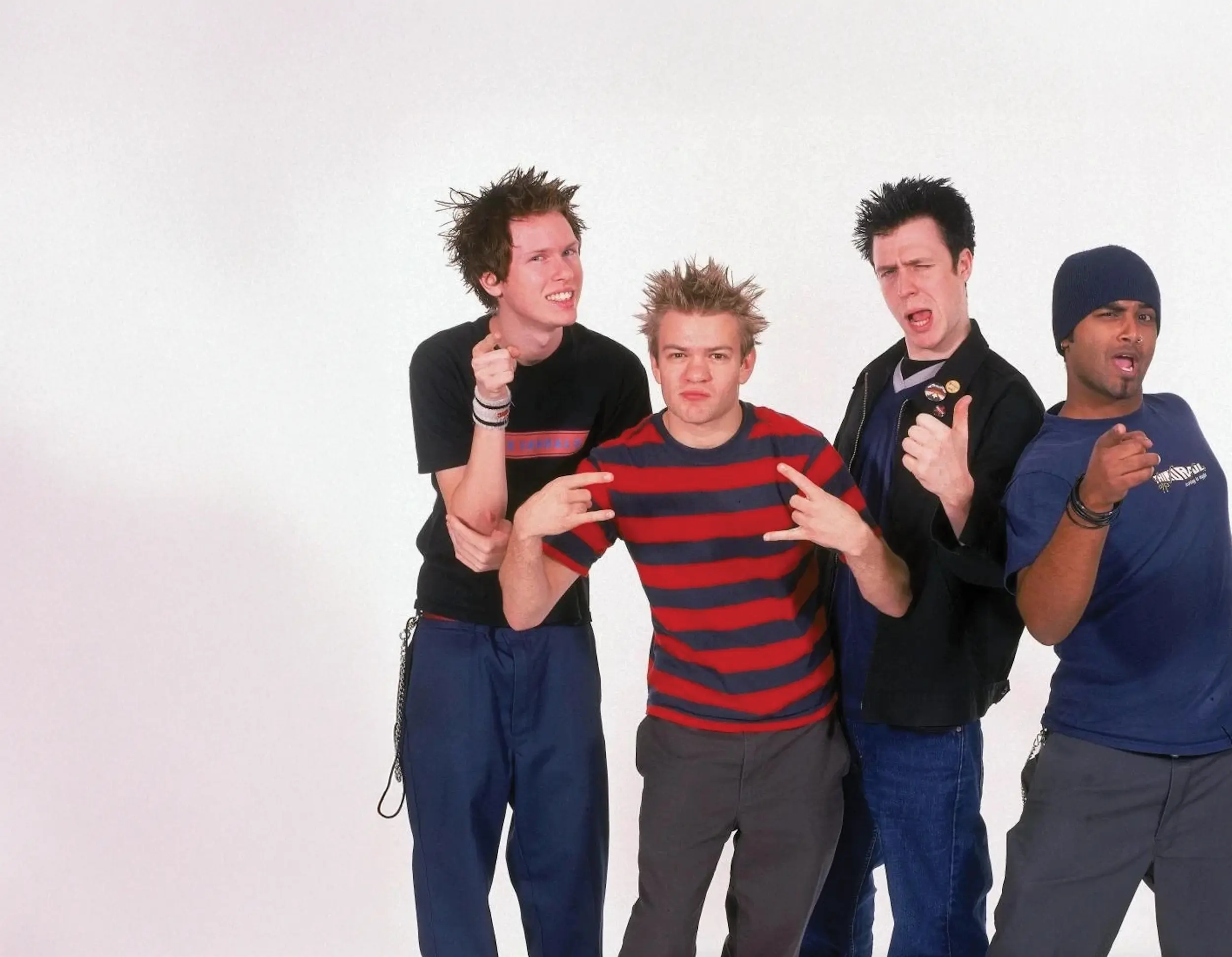
Sum 41 were teenagers from Oshawa, Ontario, whose 2000 EP Half Hour of Power — filled with a snotty mix of heavy metal, mall punk and hip-hop swagger — went gold in Canada. After signing to Island Records, their 2001 full-length debut All Killer No Filler went platinum in the U.S., double platinum in the U.K., and triple platinum at home.
Having just completed their farewell tour in January of this year, on March 30 the band were inducted into the Canadian Music Hall of Fame — the same day they gave what is presumed to be their final performance, at the 2025 JUNO Awards in Vancouver.
In the underground, a whole other movement was resetting expectations of Canadian music. Far away from radio or video exposure, these up-and-coming artists were discovered on Internet message boards, blogs, and early file-sharing platforms, while still benefiting from traditional media like alt-weekly newspapers, glossy magazines and campus radio.
Godspeed You! Black Emperor arrived from Montreal cloaked in mystery: no interviews, no press photos and no promotion whatsoever, all of which drew listeners even deeper into their epic-length instrumental hurricanes of guitars and violins. In October 2000, they released the double album Lift Your Skinny Fists Like Antennas to Heaven and started selling out large theatres across Europe.
The Weakerthans, from Winnipeg, released their second album Left and Leaving in July 2000. Rooted in poetic narratives, leftist politics, punk rock and folk music, it served notice that they had become one of the most musically powerful bands in the country. Like Godspeed, the Weakerthans operated entirely on an independent level, their international success built primarily on word of mouth.
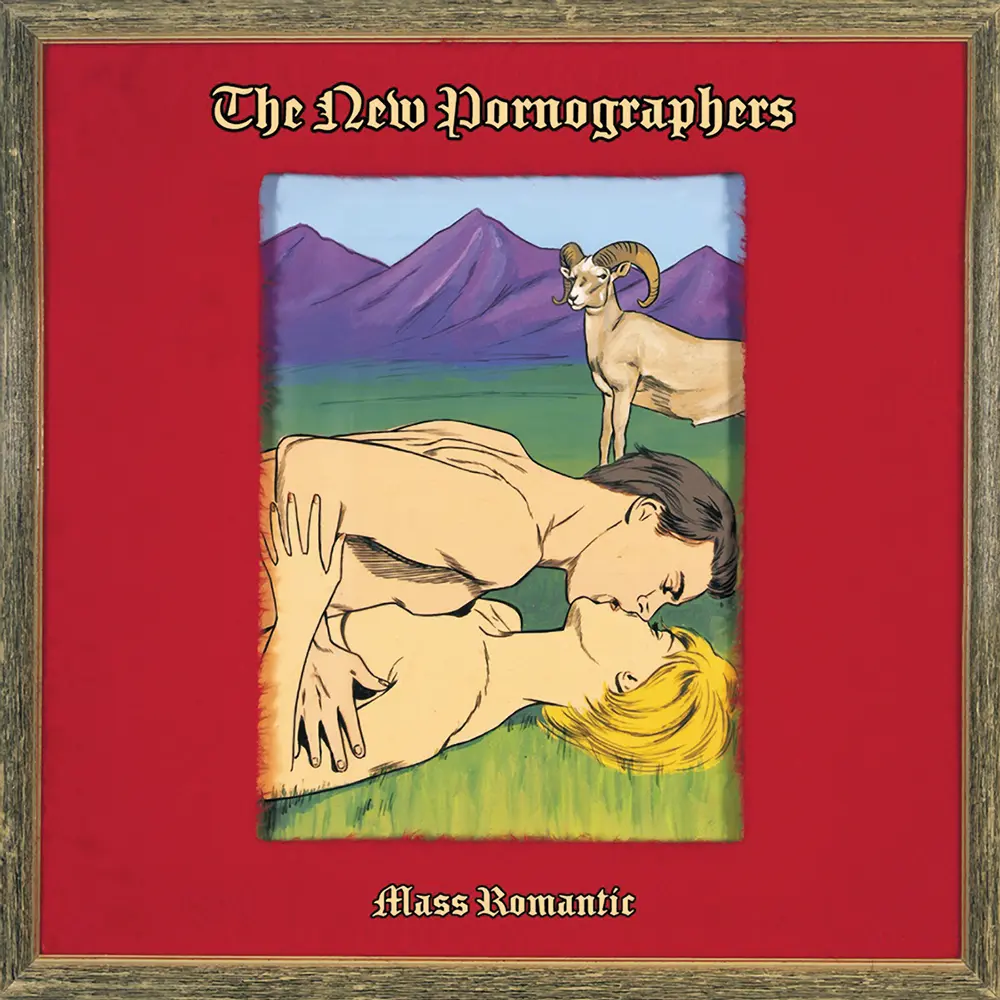
The most unlikely success story of 2000 was a Vancouver power-pop group called The New Pornographers, comprised of musicians from various bands under the direction of singer-songwriter Carl Newman.
A friend of the band, Neko Case, was one of the singers; as her star began to rise in alt-country circles, U.S. critics called this hastily assembled collection of nobodies a “supergroup,” much to the band’s own amusement. Nonetheless, the New York Times picked their debut, Mass Romantic, as one of 2000’s best albums.
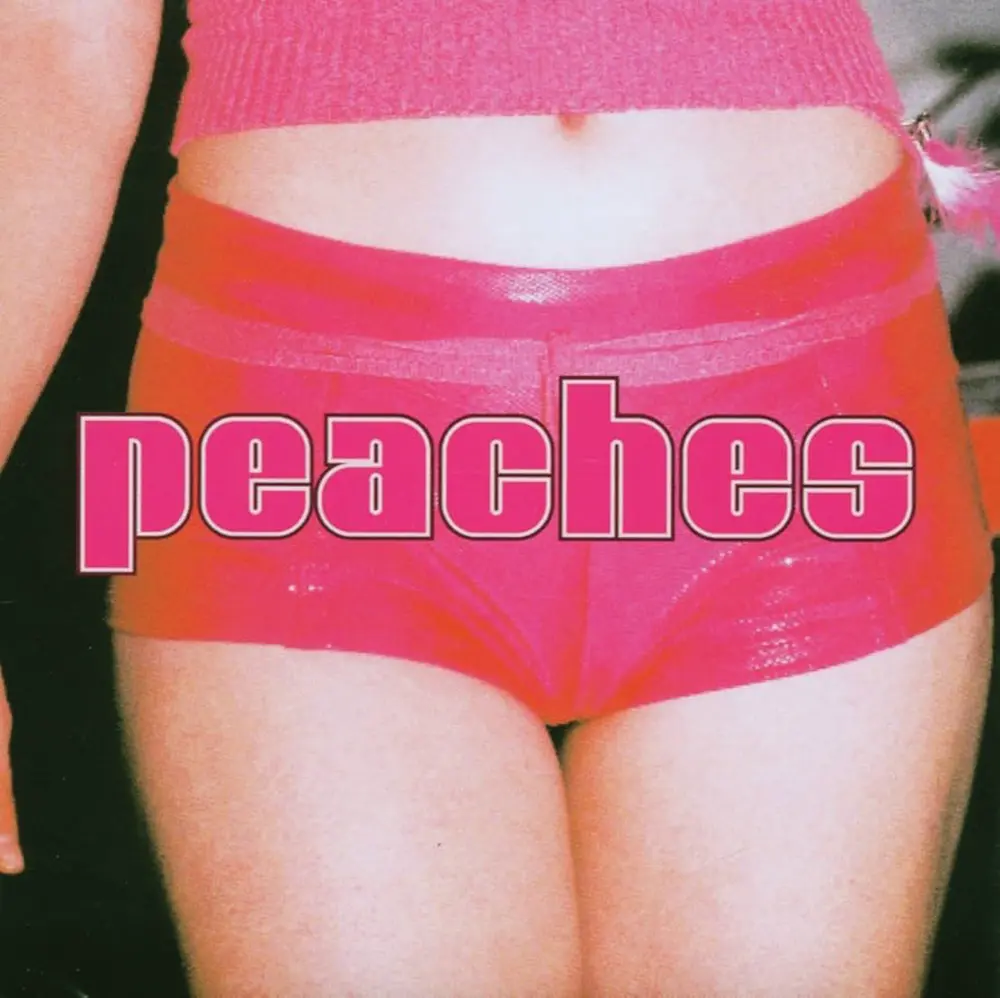
In Germany, Toronto musician Peaches found an audience that had evaded her at home. The Teaches of Peaches, her debut album, was recorded in the artist’s Queen Street West apartment, where her roommate was Leslie Feist, who spent the summer of 2000 on her first solo tour across Western Canada.
Peaches’ lo-fi, DIY electro is sexually charged and feminist in ways that the dude-centric rock scene in Canada was unlikely to embrace. Once she moved to Berlin, she became beloved across Europe, where she’s often cited as one of the most influential musicians of that decade.
Canadian hip-hop was still waiting to achieve the international breakthrough that wouldn’t happen until Drake’s major-label debut in 2010. But 2000 saw the release of Kardinal Offishall’s independent EP Husslin’, which led to his signing with MCA Records in the U.S. that summer, and the release of his breakthrough hit “Bakardi Slang” that fall.
Kardinal was also featured on the single “Money Jane,” a huge video hit for Baby Blue Soundcrew.
Meanwhile, on the West Coast, Vancouver’s Swollen Members were making connections down the coast, collaborating with Californian underground all-stars and having their first MuchMusic video hit with “Lady Venom.”
Some of the most successful Canadian acts of the 2010s started their careers in 2000.
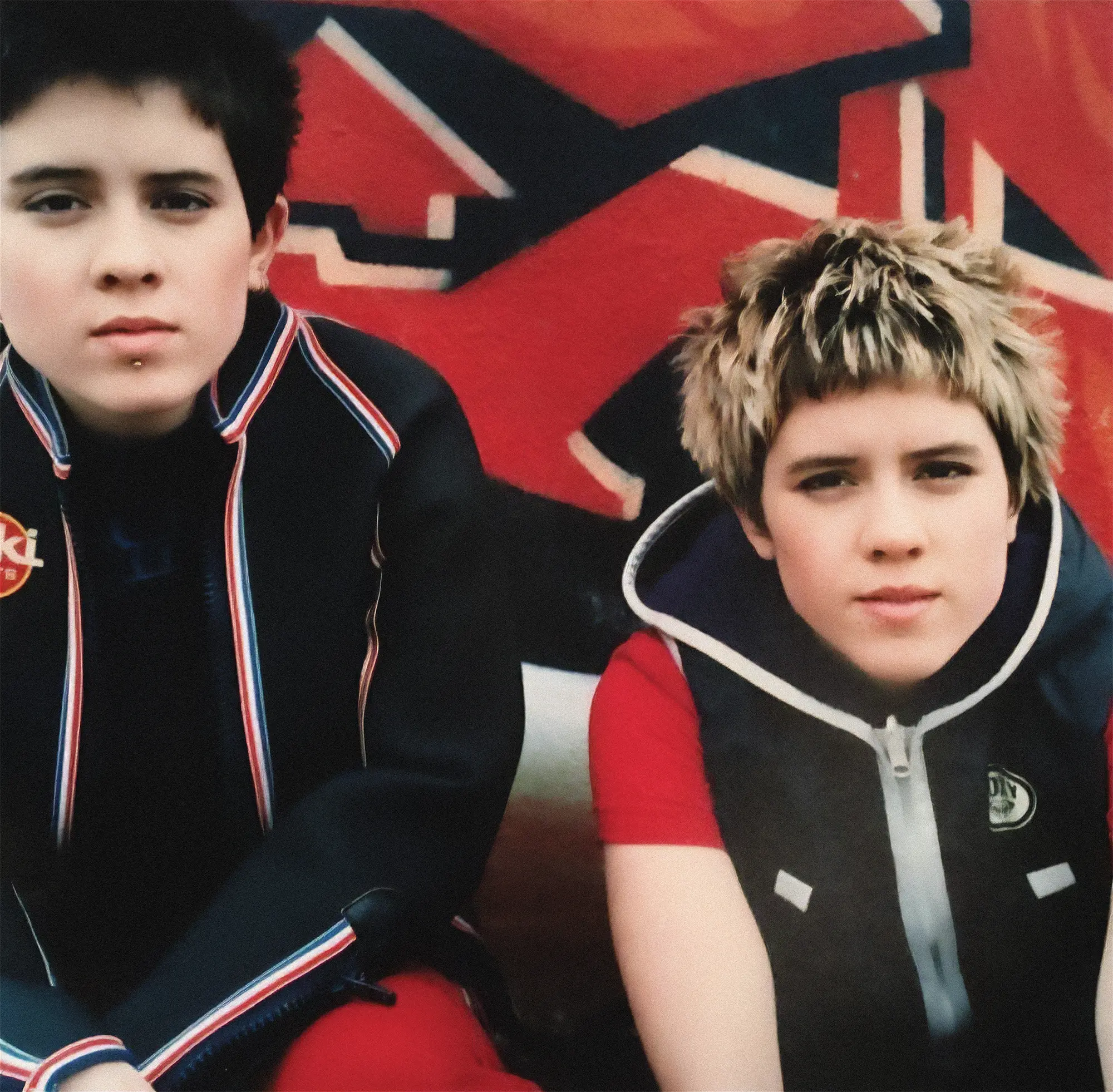
Tegan and Sara became one of the only queer acts signed to a major U.S. label, starting with their 2000 album This Business of Art. From there it was a slow, decade-plus climb before they had their first pop hit, “Closer,” in 2012.
In an entirely different genre, electronic artist Dan Snaith — a.k.a. Caribou — who initially recorded under the name Manitoba, put out his first EP. Though critically acclaimed in Europe and the U.S. over the next decade, Snaith wouldn’t achieve a breakthrough until the 2010 album Swim found a new, younger audience. His fanbase has continued to regenerate to this day.
No matter the genre, no matter the audience, Canadian music was having a watershed moment at the turn of the millennium.
And it’s only gotten better from there.