

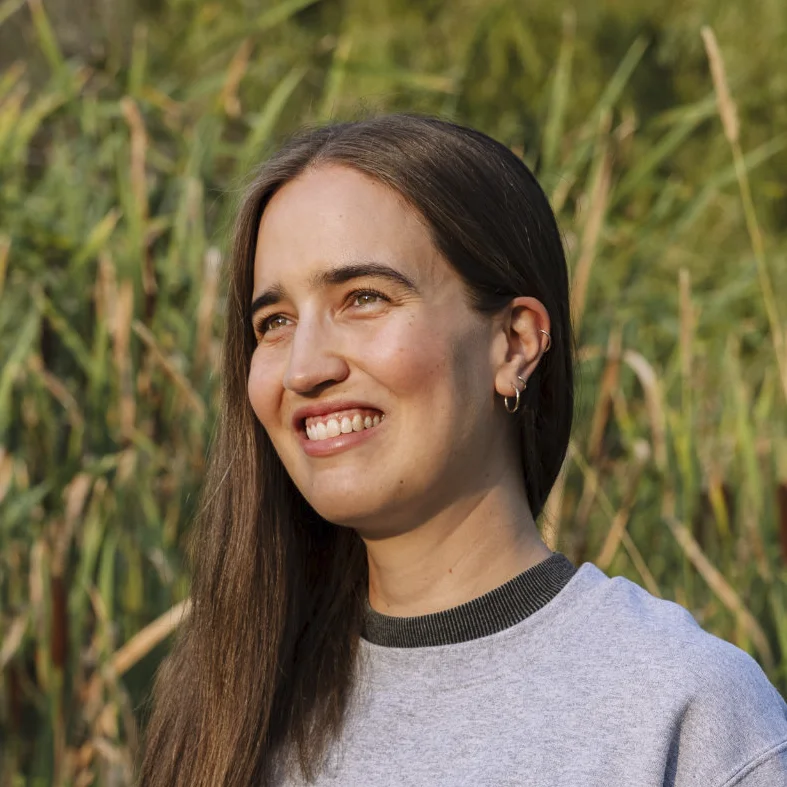
She trails off and gestures at the space surrounding us, which is chock-full of art supplies: canvases, paint brushes, easels, oil- and paint-drenched rags, drills, wood cutters, toolboxes and, of course, Liu’s sketches, paintings and sculptures. The studio isn’t messy, though—far from it. There’s an artful, meticulous order to its busyness. It speaks of an artist at the peak of her career, confident in her methods and driven by an intense work ethic.
Indeed, one of the first observations Liu shares with me confirms this. “The thing about being an artist is it’s not so much about talent,” she muses, offering me a paint-flecked stool to sit on. “Talent gives you a little bit of a leg up, but it’s tenacity and a willingness to learn and to just keep going. My attitude in life is, ‘You’ve gotta take it as it comes, and you’ve got to just keep going.’”
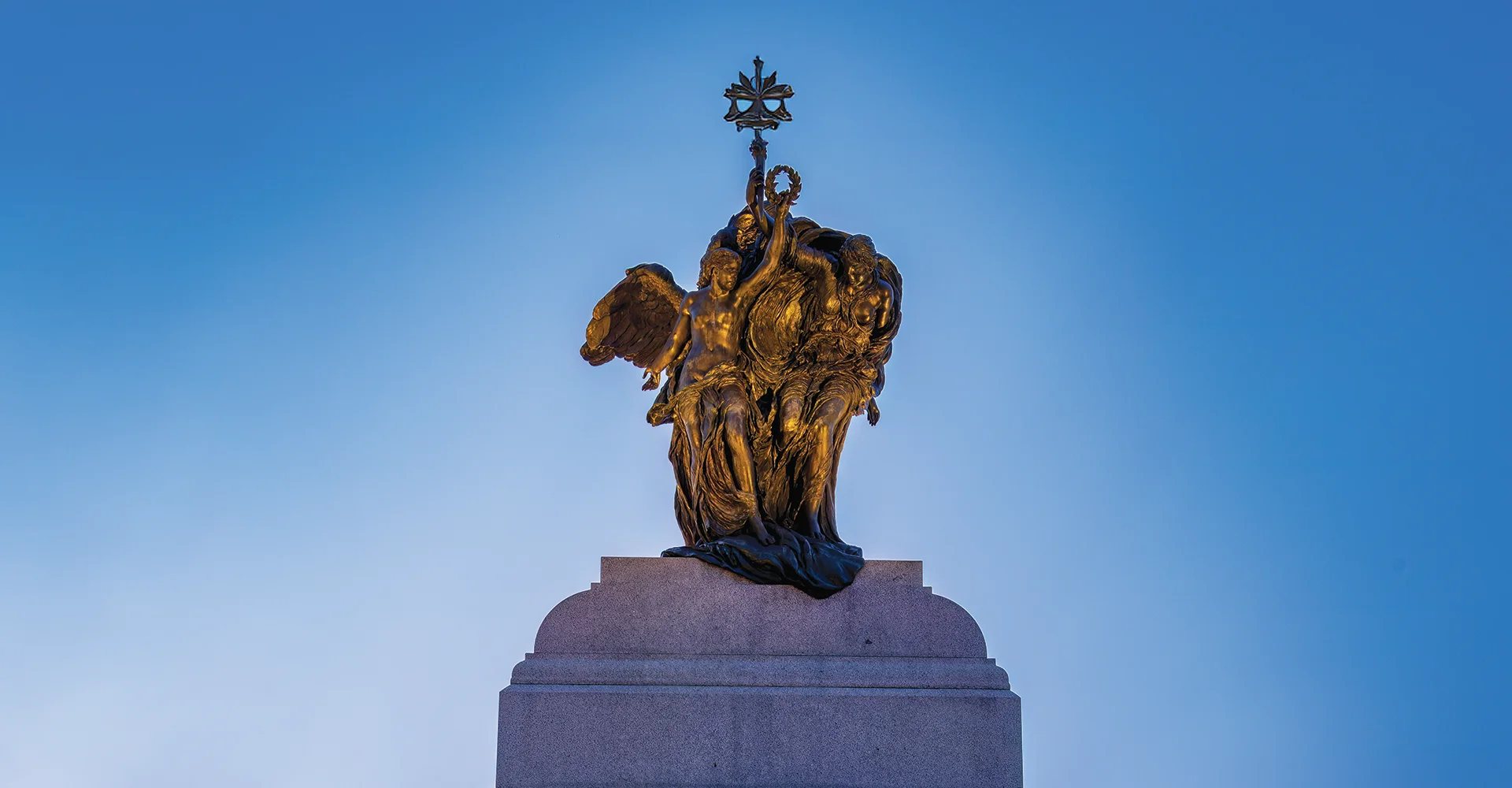
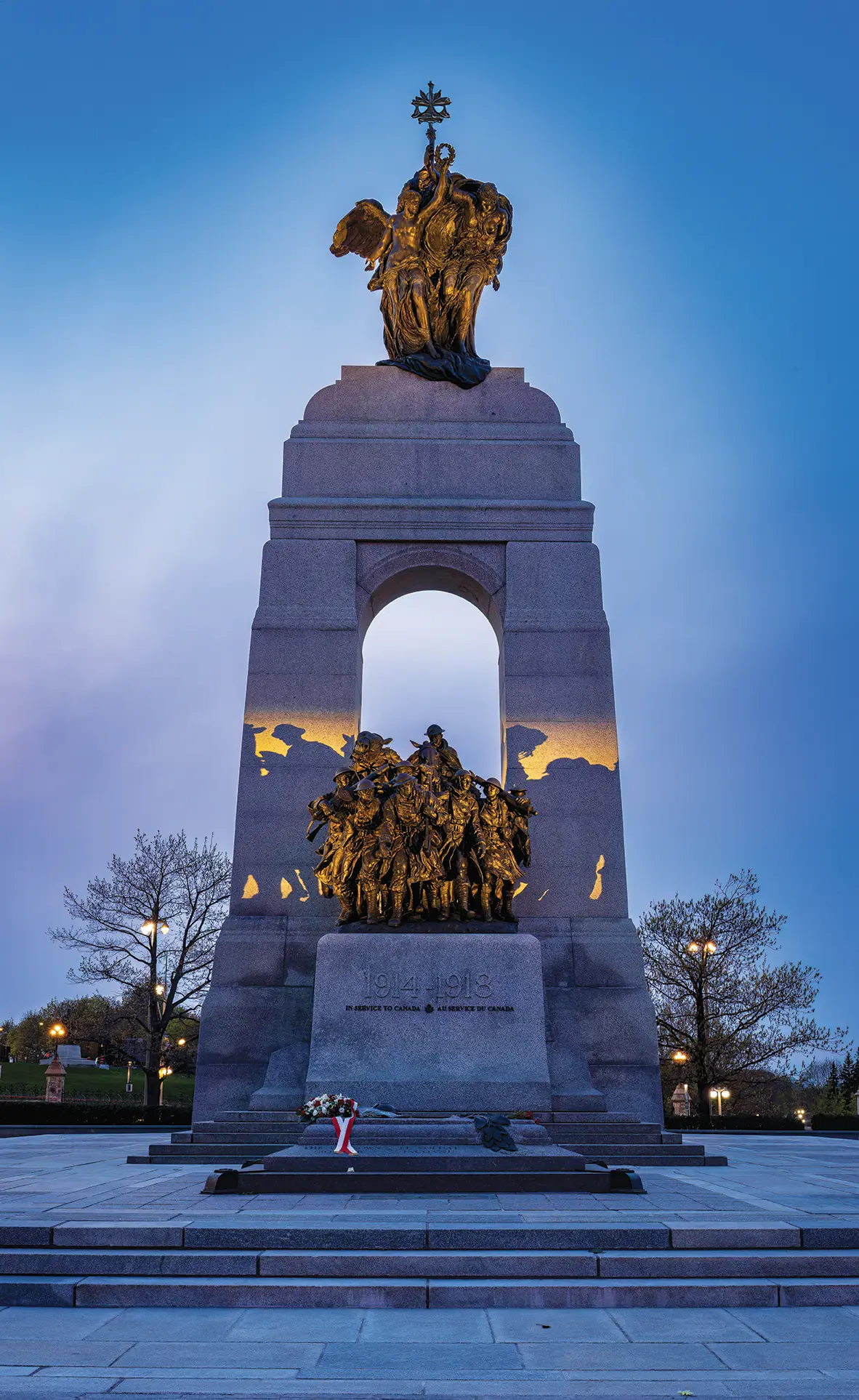
Liu’s career is a testament to her ambition. She’s created award-winning works across several artistic disciplines, including sculpture, painting, graphics and film production design, many of which are now housed internationally. But she’s perhaps best known for an iconic work that’s innately Canadian: a bronze memorial sculpture atop the Tomb of the Unknown Soldier, a public monument outside the National War Memorial on Ottawa’s Parliament Hill.
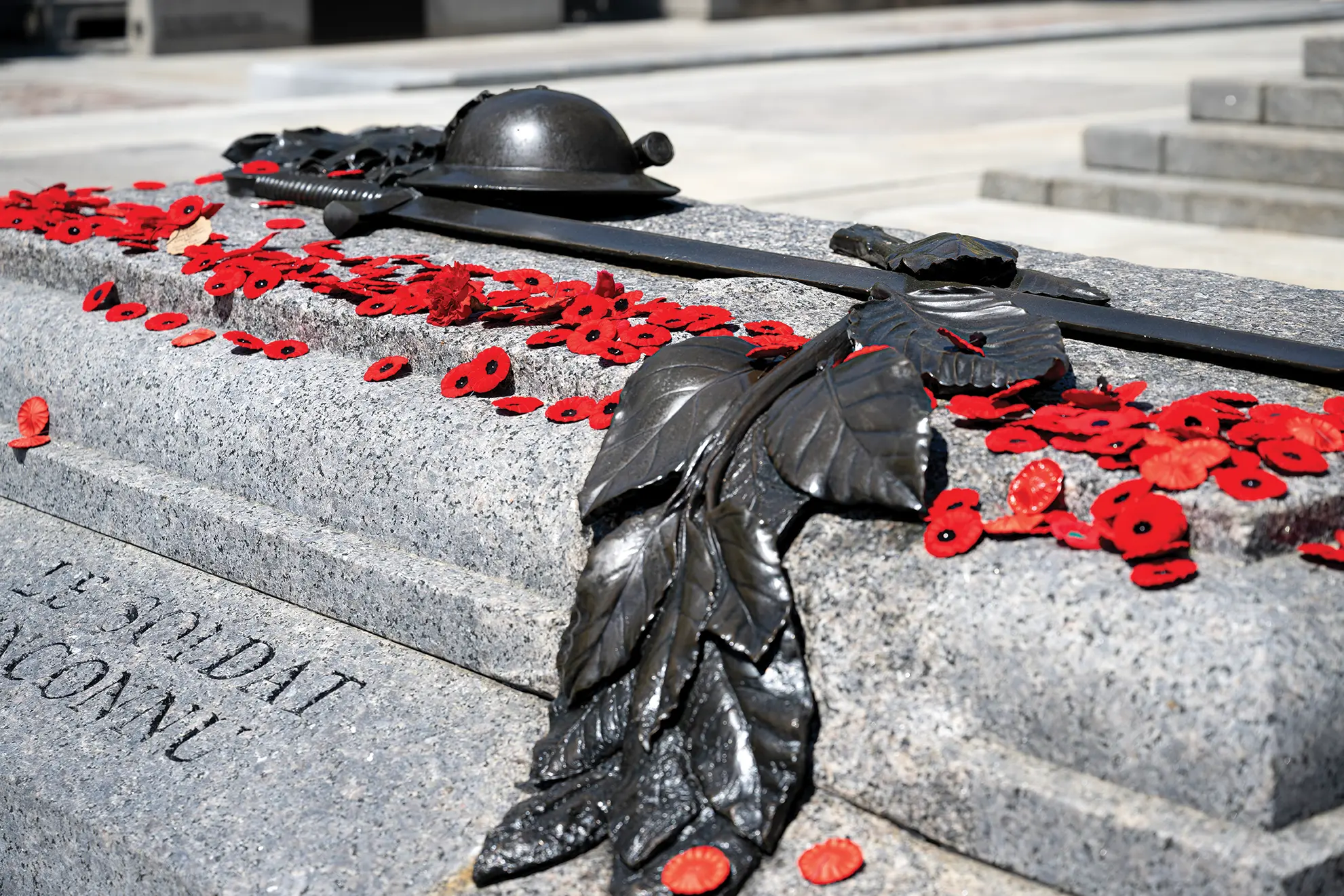
The Tomb of the Unknown Soldier was inaugurated in May 2000, after a Canadian Forces aircraft flew to France to repatriate the remains of an unidentified Canadian soldier buried near Vimy Ridge during the First World War. The tomb itself is carved in granite, while Liu’s bronze relief sculpture highlights elements of the Canadian National Vimy Memorial in France: a WWI soldier’s helmet, a medieval sword and branches of maple and laurel, the latter of which symbolizes both victory and death. As the monument marks its 25th anniversary this year, Liu has been looking back on the journey that led to its creation.
In the late 1990s, Liu was working as an assistant at a bronze foundry, having recently completed a degree in sculpture and animation at Emily Carr University of Art + Design (formerly Emily Carr Institute of Art and Design). “My dad wanted me to go into law, but I knew that law was not something I wanted to do,” she says. “I made the decision to be a sculptor when I was 14. I’ve never been a person to hesitate and ask, ‘Should I do this or not?’ I made a decision: ‘I’m going to do this.’”
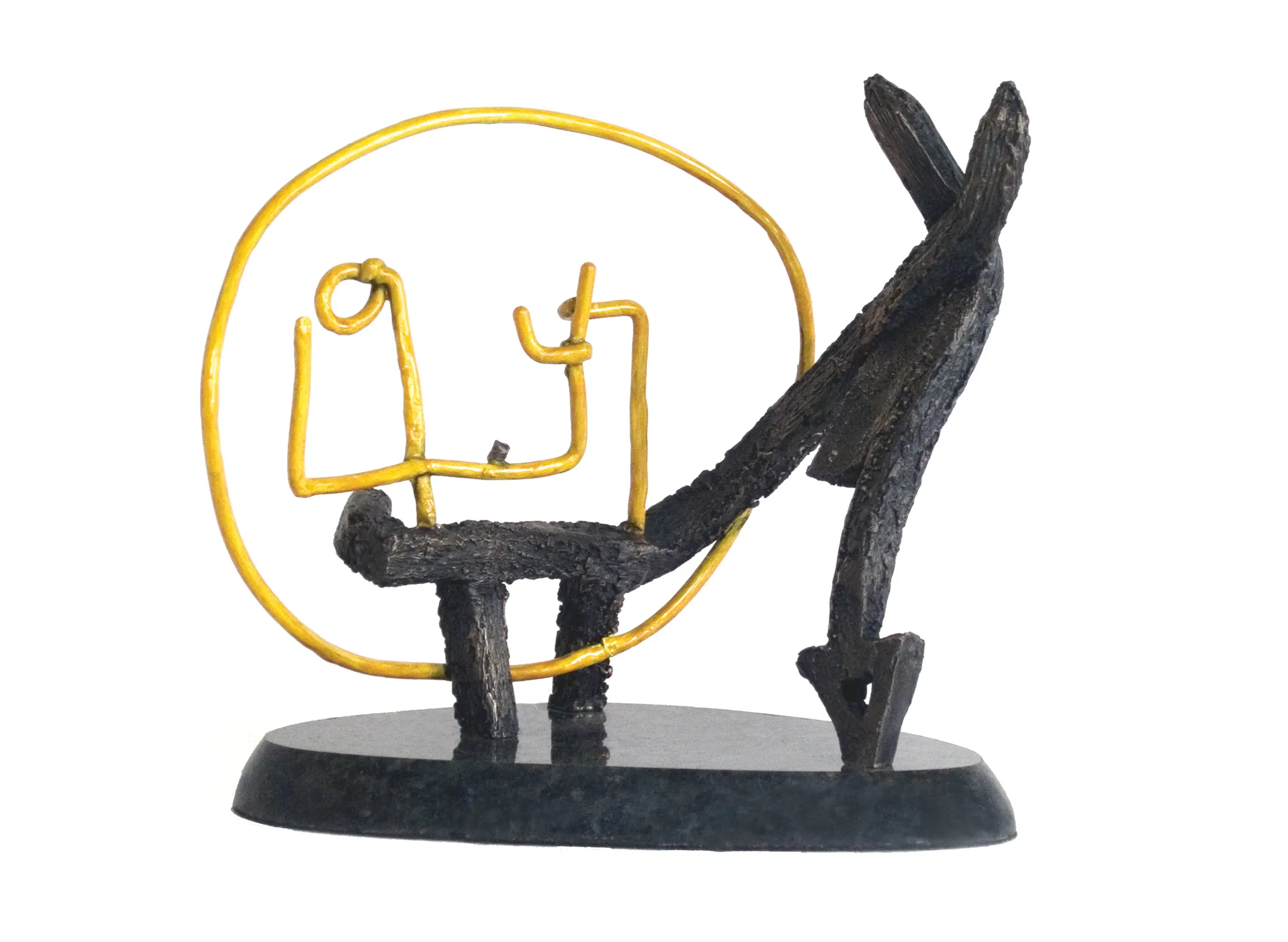
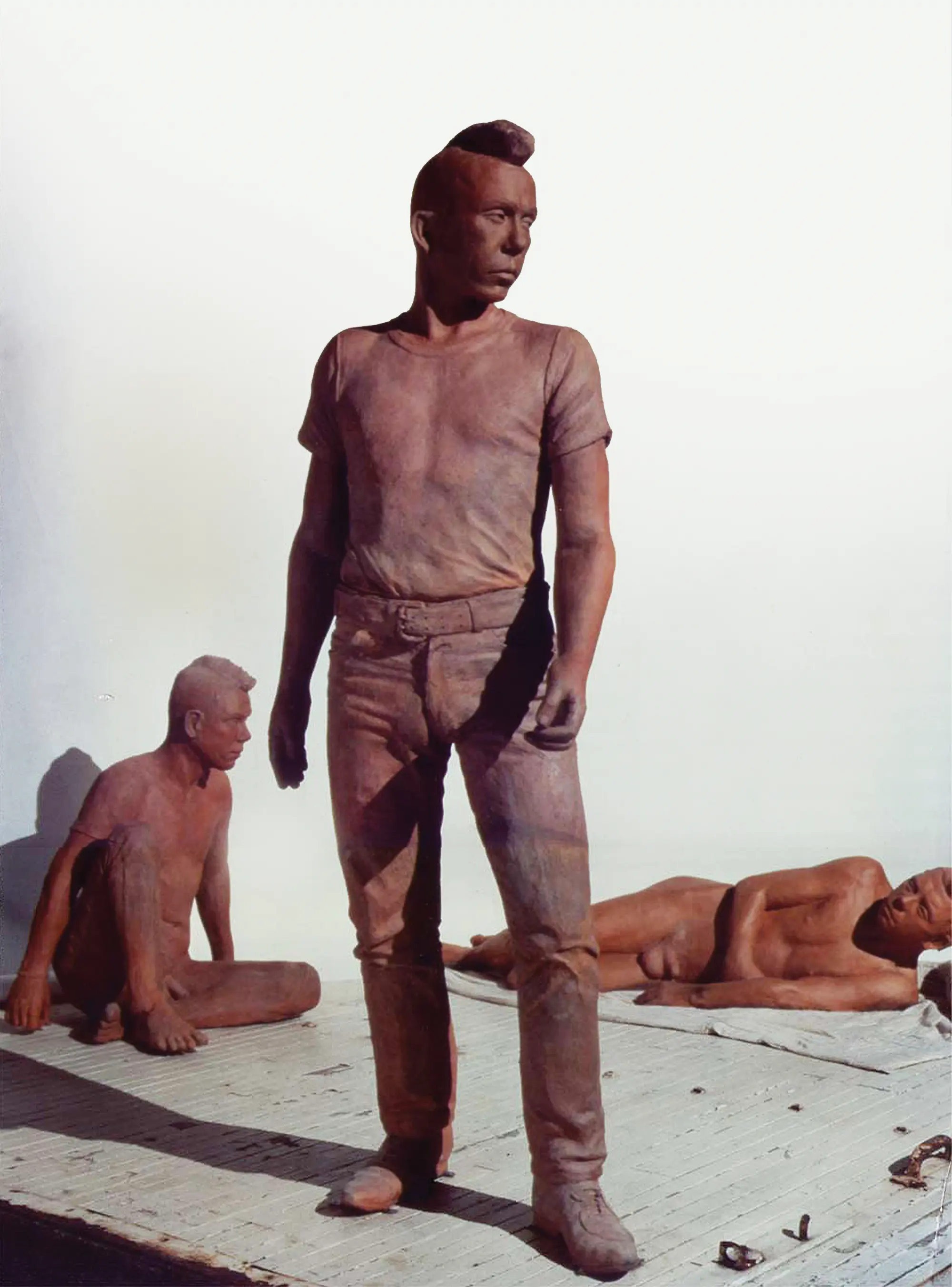
Liu had been working in clay since a young age. She remembers reading about the material in fifth grade and thinking, “This is stuff that sticks together and you can make things with it? That’s really neat.” She still considers clay and water her first language, “because there’s nothing that is so immediate and textural and responsive to your hands,” she says.
But after art school, Liu became curious about working with bronze, a very different material. “Bronze gives you freedoms that other materials, like clay, don’t,” she says. “If you have a clay structure, you’re limited to it supporting itself—the material has its own strength—whereas with bronze, you can hang things on a very fine point.”
People told her she was too petite to both be a sculptor and to work with bronze, which is very heavy. But, says Liu with a laugh, “I told them, ‘Eat my dust. Watch me.’”
Her boss and mentor at the bronze foundry submitted a proposal in response to an open call for Canadian artists to contribute to the Tomb of the Unknown Soldier memorial. Liu decided to submit an entry herself. When she was shortlisted, she was overjoyed by the opportunity to travel to Ottawa to meet the three other finalists and to reflect more deeply on her final design.
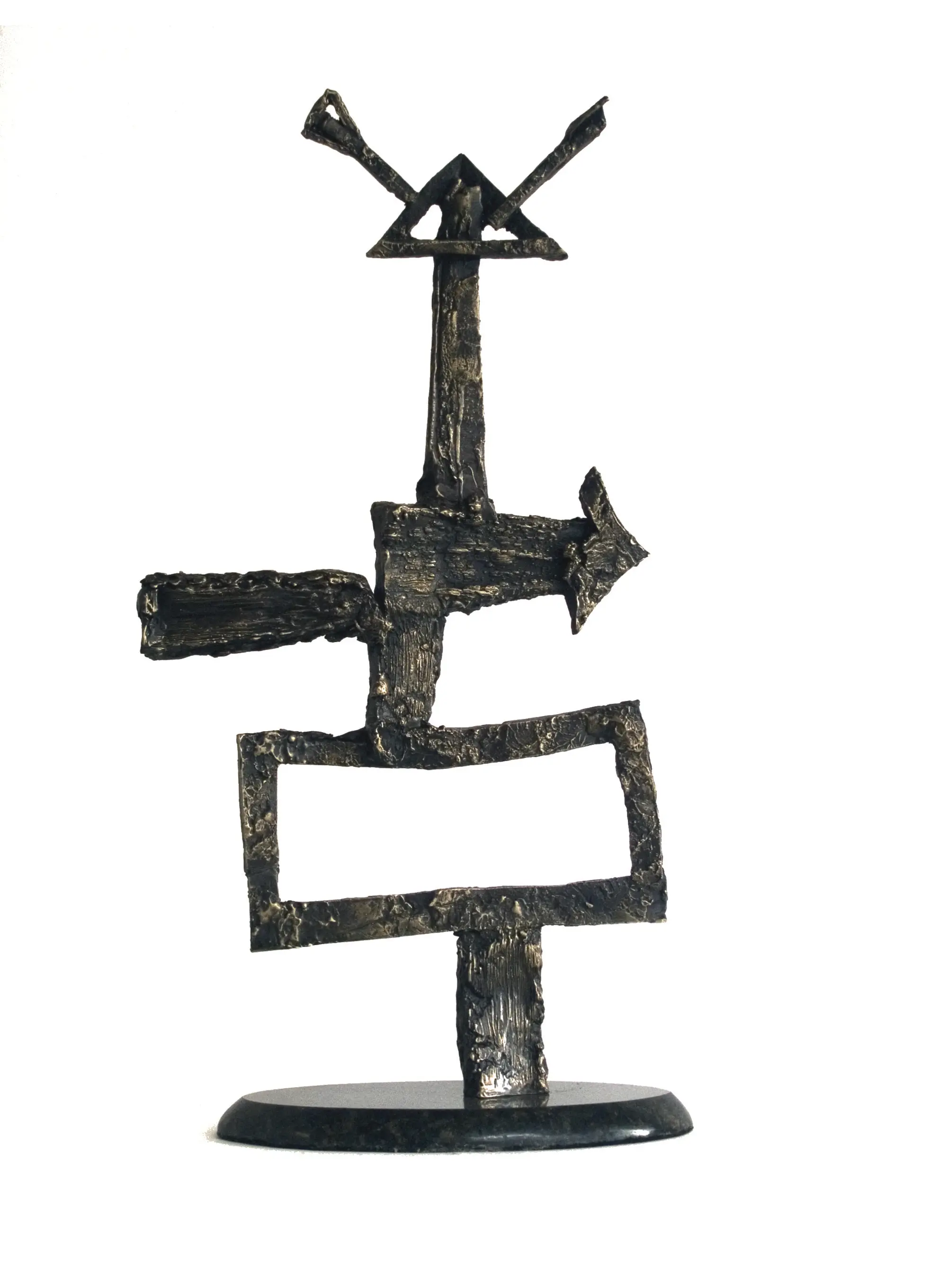
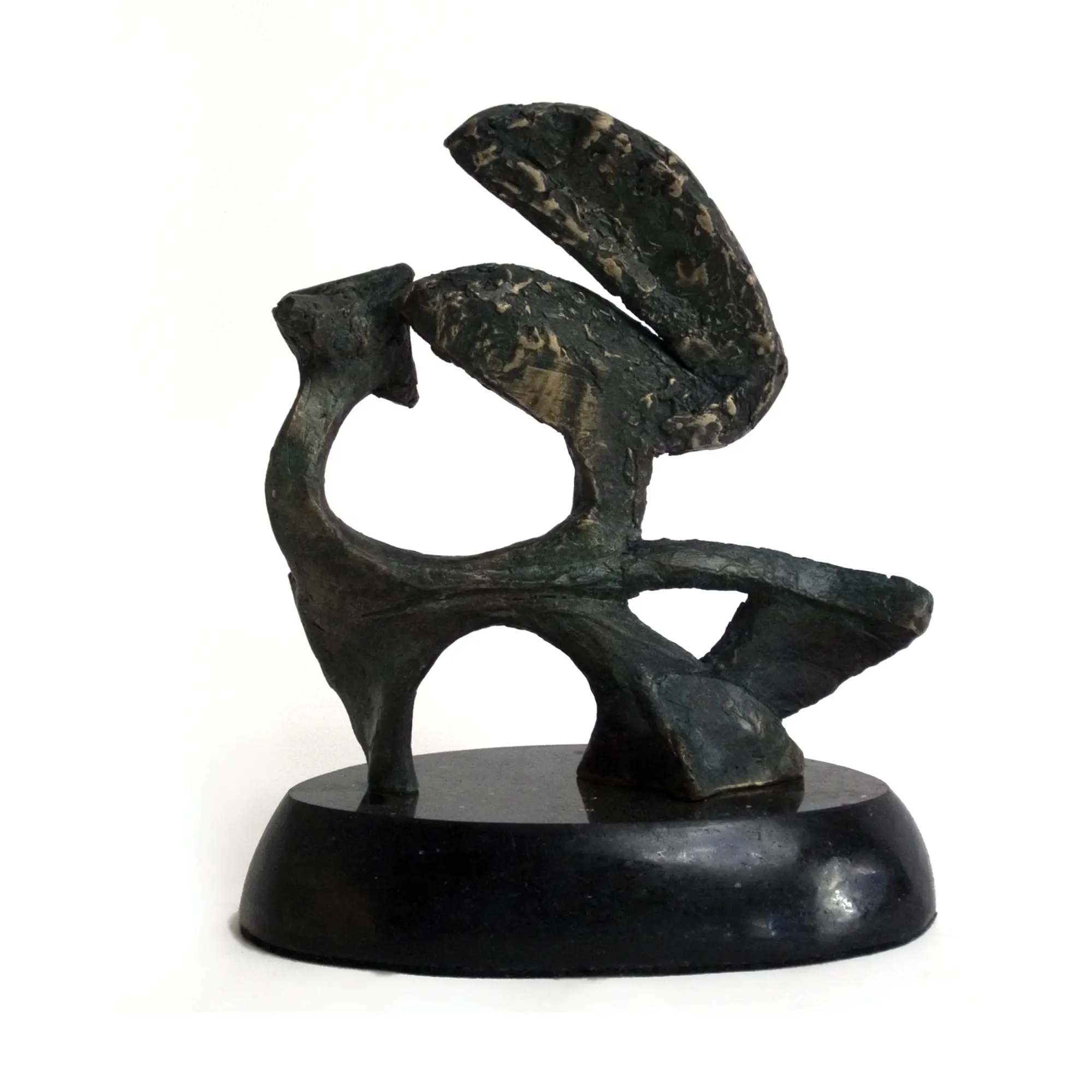
“I came back and did a lot of research and really thought, ‘Who does this matter to?’” says Liu. She realized it would likely matter most to veterans and their families—especially those who had lost loved ones in war. So, she added four bronze details to the corners of her winning design, to cap off each end of the granite tomb. Three of the four corner pieces showcase replicas of the Memorial Cross, which, since 1919, has been presented by the Government of Canada to families who have lost loved ones in war or on peacekeeping missions. The fourth corner displays a replica of a poppy, representing those who may fall in future conflicts.
“The main idea of the tomb is about passage: the passage of life and death, the passage of time,” says Liu. “But I also had a theme of the passage of materials, going from a very roughly carved stone into a polished, refined bronze.”
This year marks the tomb’s 25th anniversary, and the Royal Canadian Mint has partnered with Liu on a special gold coin to honour the milestone. The coin’s design features a close-up of the WWI-era helmet and the maple leaves featured on Liu’s bronze sculpture, encircled by the shape of a poppy. Only 1,500 coins will be minted.
“How does one capture the awe-inspiring grandeur and dignity of a granite-and-bronze monument on a coin-sized canvas?” reflects Liu. “The tomb’s emotional impact is best conveyed by a close-up view, while the poppy outline pays homage to our veterans.”
Diversity is the key to survival as an artist. You never want to stay still.
Throughout the 25 years since her work on the tomb, Liu has contributed to many other public projects, including leading the design of the iconic cast-aluminum dragon lanterns in both Vancouver’s and Chicago’s Chinatown. She has also made several privately commissioned sculptures, including The Crossing, a majestic four-foot bronze column of textured, interlacing green-and-gold strands with a deer perched atop it. Now housed in Hong Kong, the work demonstrates Liu’s keen eye for visual detail. The gold strands running off the pool of water that the deer is walking on bleed down into the sculpture’s column, representing a reflection. On the other side, green strands grow out of the column, embodying the marine life under the water’s surface. “You see one angle and then, on the other side, is what you would actually see underwater,” says Liu of the different vantage points offered to the viewer.
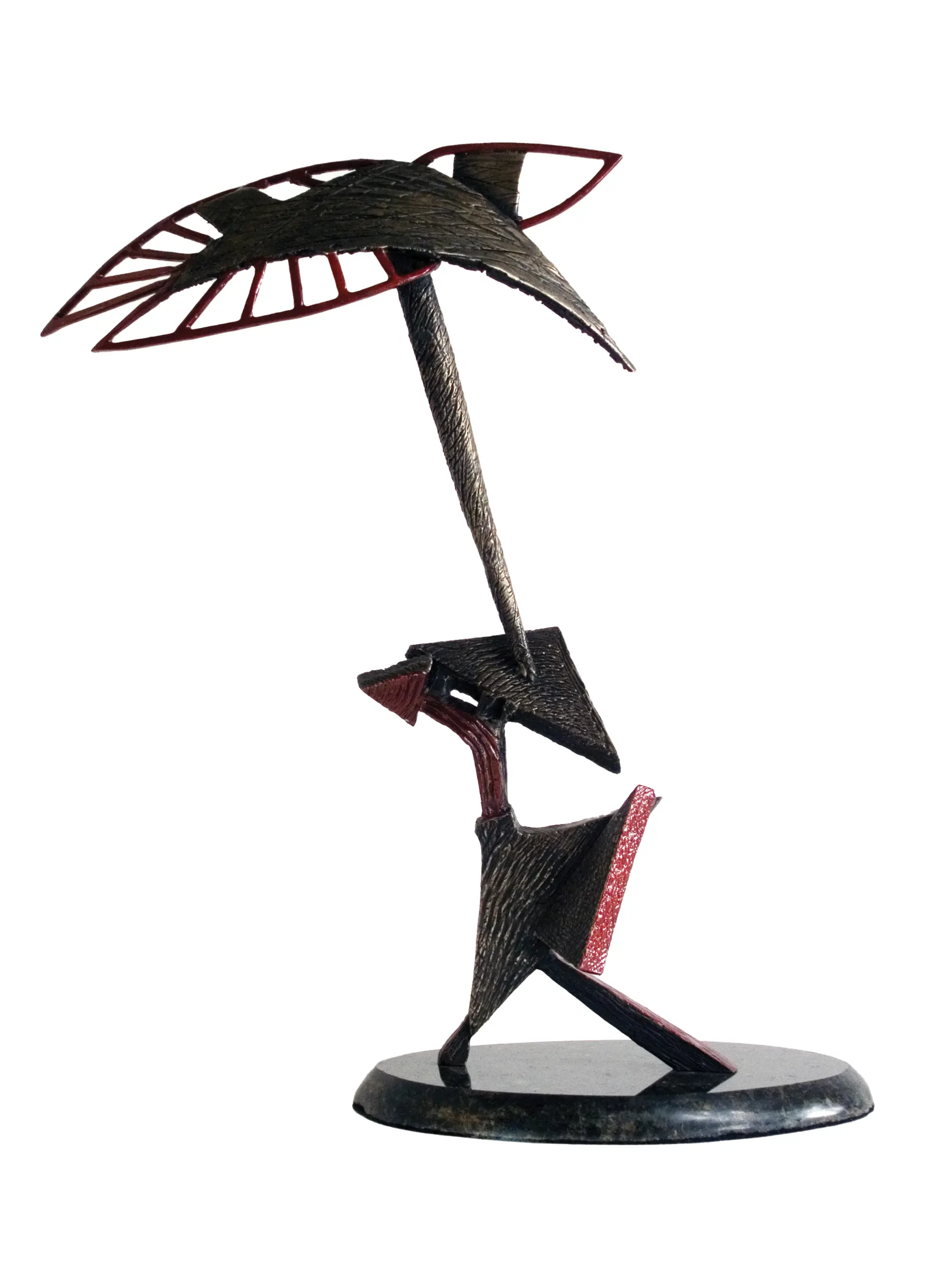
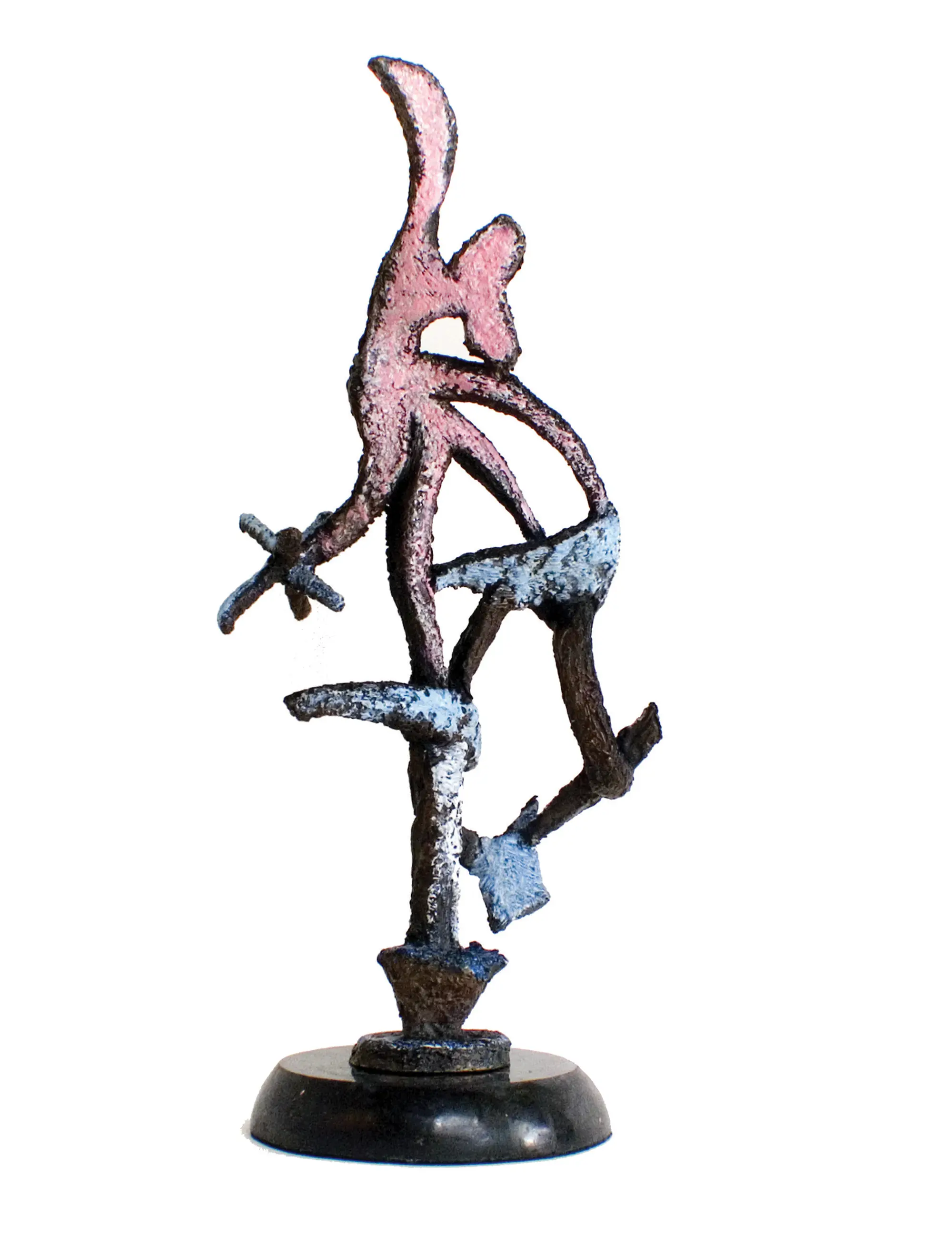
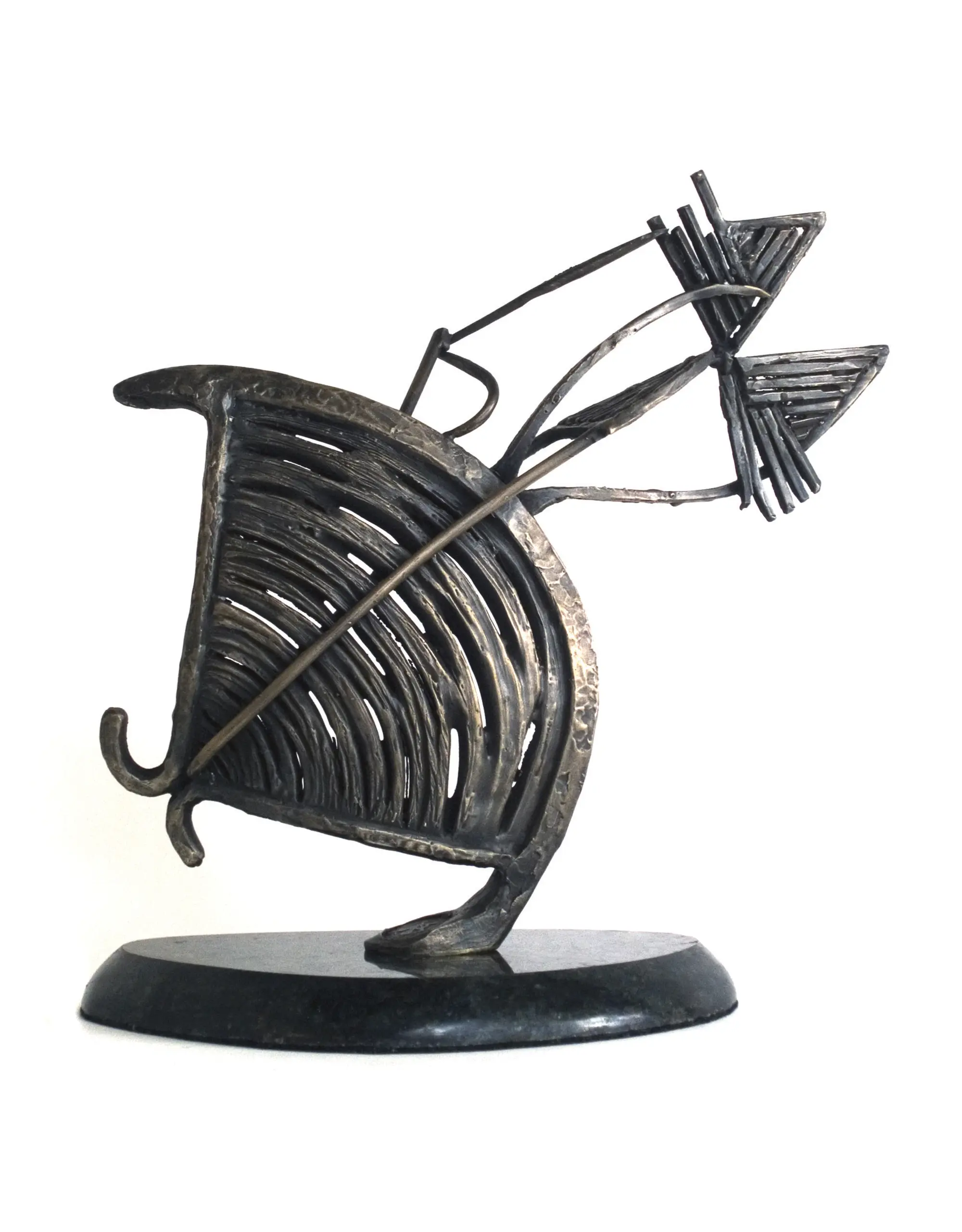
Though bronze is her forte, Liu likes to switch between materials and mediums because, she says, “Diversity is the key to survival as an artist. You never want to stay still.” She has created sculptures in fibreglass (like Big Happy, part of her Doodles series), stainless steel, glass and concrete. Lately, she has also turned to oil painting to express her love of water, which she calls her escape. Her studio walls are covered in beautiful, richly coloured canvases showing light dancing across an ocean floor, or tide pools feeding into one another.
But sculpture will always be Liu’s true love. When I ask why she thinks it was sculpture that called to her over other art forms all those decades ago, she answers without hesitation.
“Sculpture is innate to my being. Some people see in 3D and some people in 2D. I see in 3D. I don’t think it’s something I have any control over. I didn’t choose it; it chose me.”